Modern Rice Farming Techniques: Complete Step-by-Step Guide
Introduction
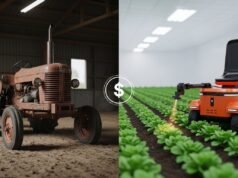
Rice is one of the most important staple foods in the world, feeding more than half of the global population. With rapid population growth and climate challenges, traditional farming methods are no longer sufficient. Modern rice farming techniques focus on efficiency, sustainability, and the innovative use of resources to achieve higher yields at lower cost. This article provides a complete international guide to modern rice cultivation.
What Is Modern Rice Farming?
Modern rice farming refers to the use of improved seed varieties, scientific soil management, intelligent irrigation systems, and digital monitoring tools to optimize rice production. These techniques help farmers reduce waste, manage risks, and increase productivity.
Importance of Modern Rice Farming
Modern rice farming plays a vital role in global food security. It allows farmers to produce more rice using fewer resources while minimizing environmental damage. Efficient farming practices also improve income stability and reduce dependency on manual labor.
Selecting High-Yield Rice Varieties
Choosing the right rice variety is the foundation of successful rice production. Modern high-yield varieties are designed to resist diseases, tolerate climate stress, and mature faster.
Common modern rice varieties include:
- Hybrid rice varieties
- Short-duration rice varieties
- Climate-resilient rice strains
Land Preparation for Rice Cultivation
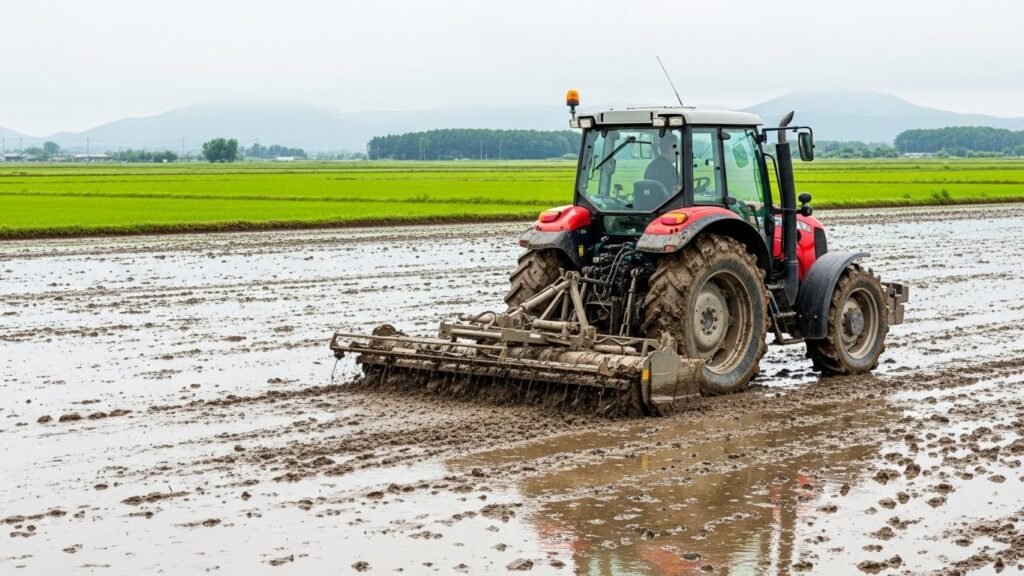
Proper land preparation ensures uniform plant growth and efficient water distribution. Fields should be leveled carefully to avoid waterlogging or dry spots. Removing weeds and previous crop residues improves soil fertility and reduces pest problems.
Nursery Management and Transplanting
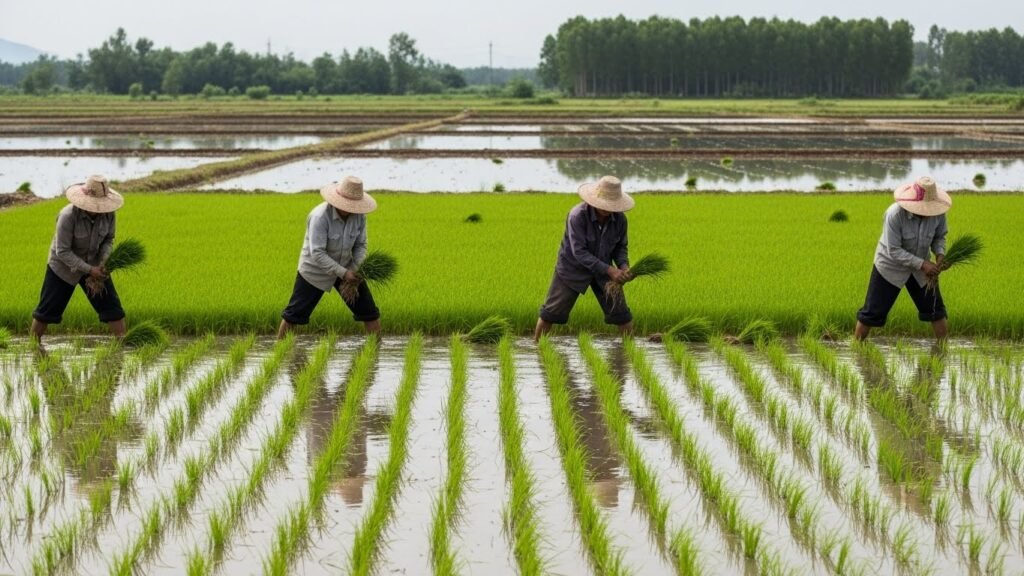
Farmers should transplant vigorous, healthy seedlings at the right age and space them evenly to promote proper airflow and efficient nutrient uptake, resulting in higher yields.
Smart Irrigation Techniques
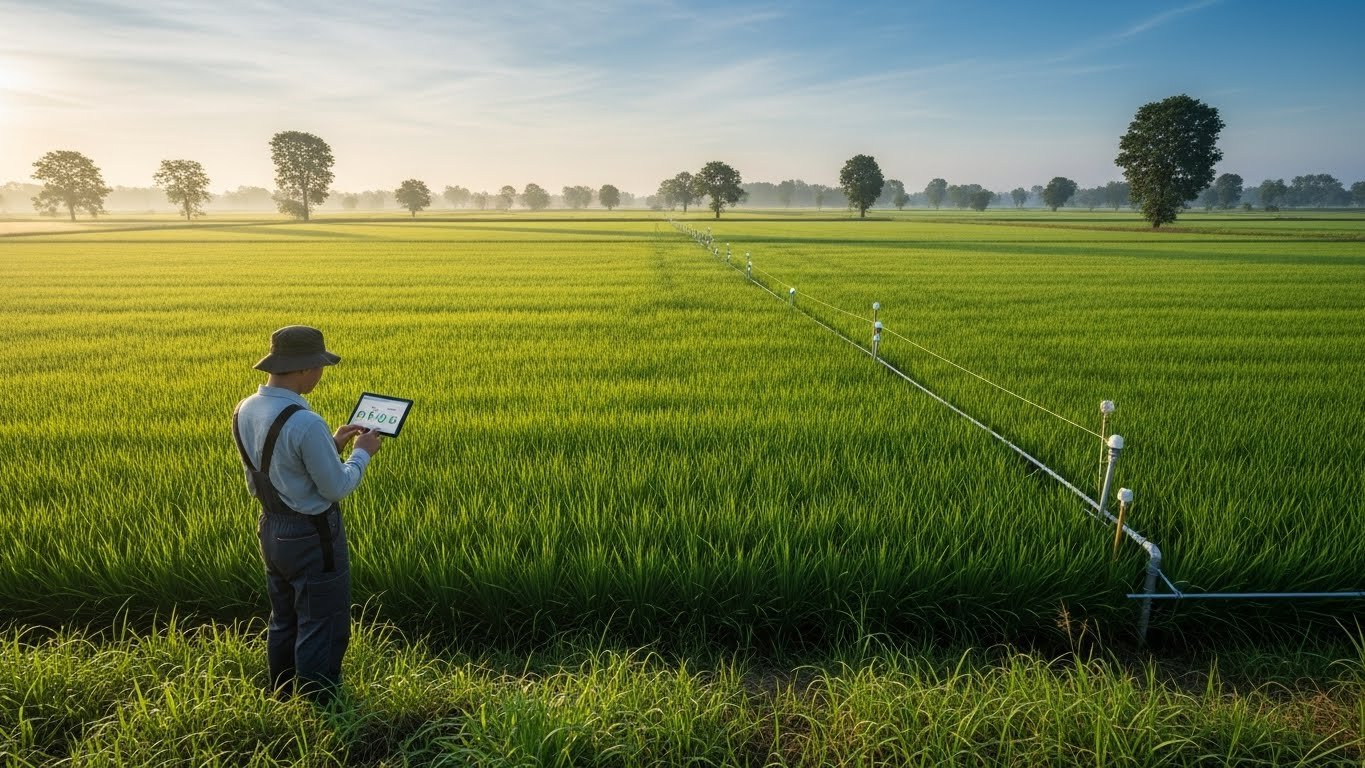
Water management is one of the most critical aspects of rice farming. Modern techniques such as Alternate Wetting and Drying (AWD) reduce water consumption while maintaining crop health. Smart sensors help monitor soil moisture and optimize irrigation schedules.
Precision Fertilizer Management
Applying fertilizers based on soil test results prevents nutrient imbalance and reduces production costs. A combination of organic manure and controlled chemical fertilizers improves soil structure and long-term productivity.
Integrated Pest and Disease Management
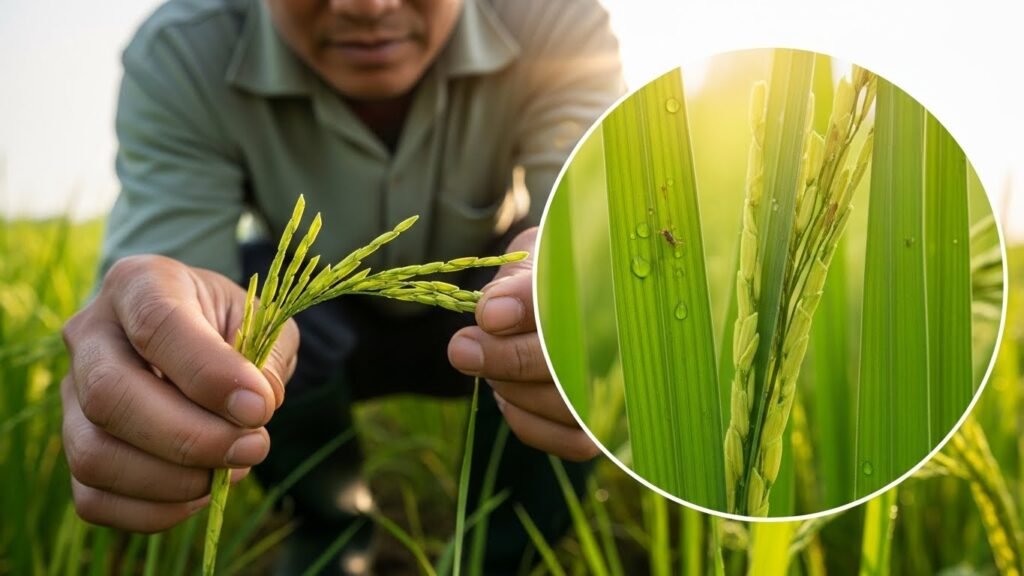
Modern rice farming focuses on early detection and prevention of pests and diseases. Integrated Pest Management (IPM) reduces reliance on harmful chemicals by combining biological control, crop rotation, and regular monitoring.
Technology in Modern Rice Farming
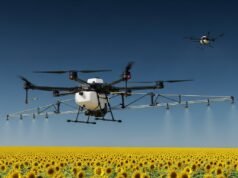
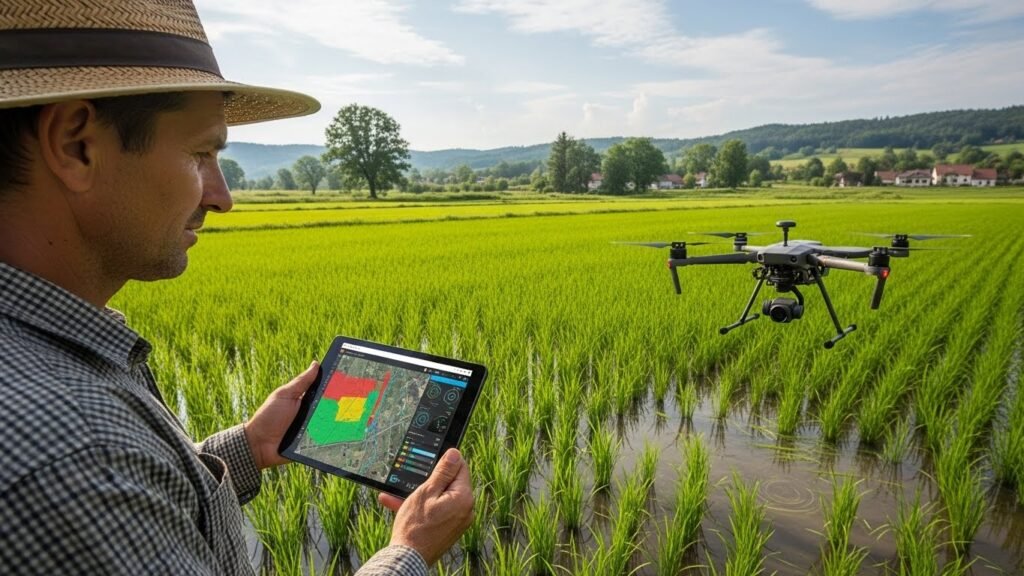
Technology such as drones, satellite imagery, and mobile applications allows farmers to monitor crop health remotely. These tools provide real-time data and help make informed decisions that improve yield and efficiency.
Harvesting and Post-Harvest Management
Harvesting rice at the proper maturity stage ensures better grain quality. Modern harvesting machines reduce labor costs and post-harvest losses. Proper drying and storage protect rice from moisture and pests.
Economic Benefits of Modern Rice Farming
Modern rice farming reduces waste, improves efficiency, and increases overall profitability. Higher yields and better-quality rice enable farmers to access premium markets and achieve sustainable income growth.
Environmental Sustainability
Efficient water use, reduced chemical input, and soil conservation practices make modern rice farming environmentally friendly. These methods help protect ecosystems while maintaining high productivity.
Common Mistakes to Avoid
Overuse of fertilizers, improper irrigation timing, and failure to test the soil can reduce yield. Successful modern farming requires careful planning and consistent monitoring.
Future of Rice Farming
The future of rice farming lies in automation, climate-smart agriculture, and data-driven decision-making. Farmers who adopt modern techniques early will benefit the most in the long run.
Conclusion
Modern rice farming techniques offer a practical and sustainable solution to global food challenges. By adopting improved seeds, smart irrigation, precision fertilization, and modern technology, farmers can achieve higher yields, lower costs, and long-term success.