Smart Irrigation Systems in Agriculture: A Complete Guide
Introduction
Water is one of the most valuable resources in agriculture, yet traditional irrigation methods often lead to significant waste. As water scarcity and climate uncertainty increase, farmers around the world are turning to innovative irrigation systems. These systems use technology to deliver the right amount of water at the right time, improving crop yield while conserving water. This guide explains how innovative irrigation works, its benefits, and why it is essential for modern farming.
Why Smart Irrigation Is Important in Agriculture
Efficient water management is critical for sustainable agriculture. Intelligent irrigation systems help farmers reduce water usage, lower energy costs, and prevent over-watering, which can damage crops and soil structure.
According to field observations, farms using smart irrigation often achieve healthier crops and more consistent yields than with traditional methods.
Types of Smart Irrigation Systems Drip Irrigation Systems
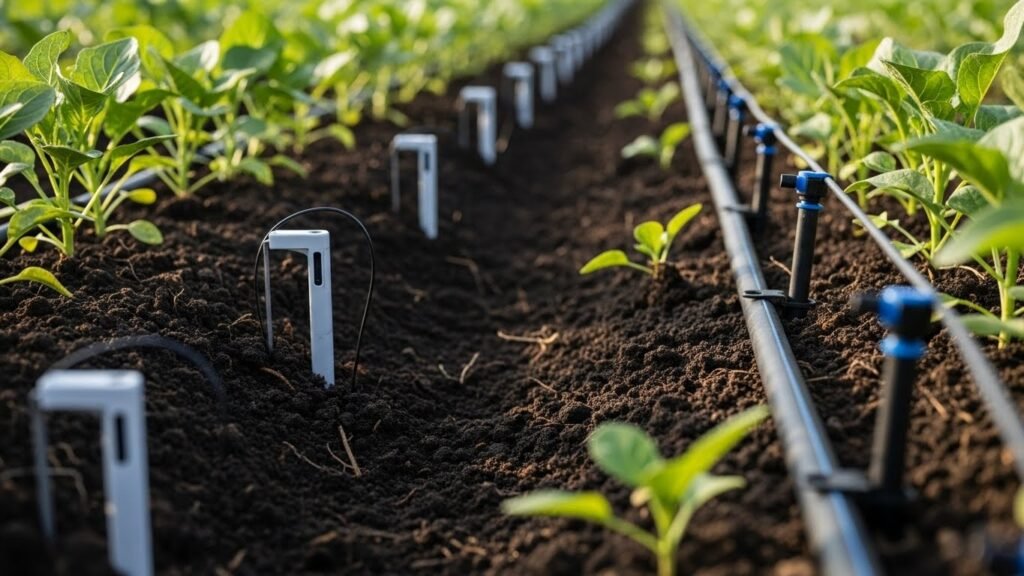
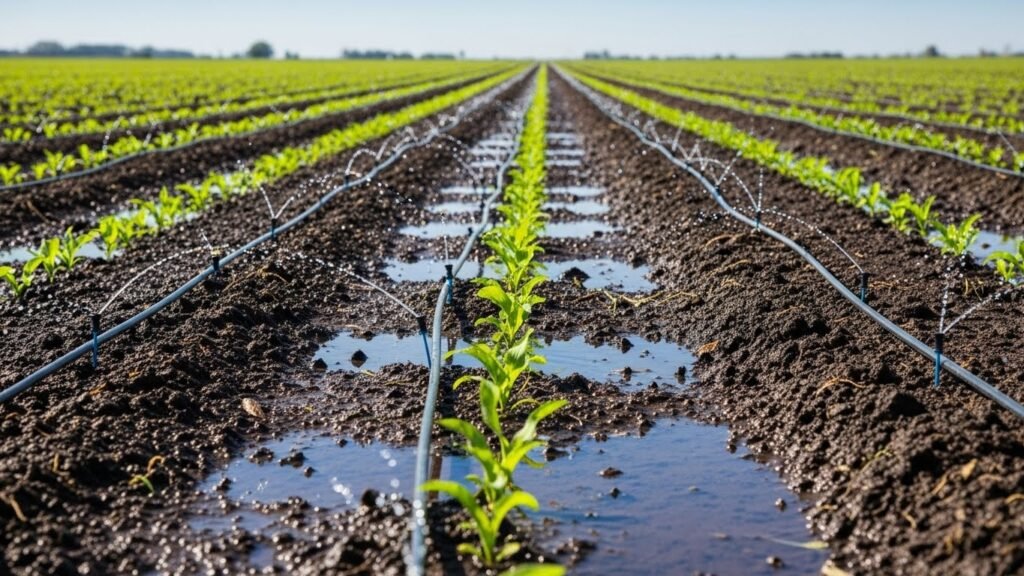
Drip irrigation delivers water directly to plant roots through pipes and emitters. This method minimizes evaporation and runoff, making it ideal for water-scarce regions.
Sprinkler-Based Smart Irrigation
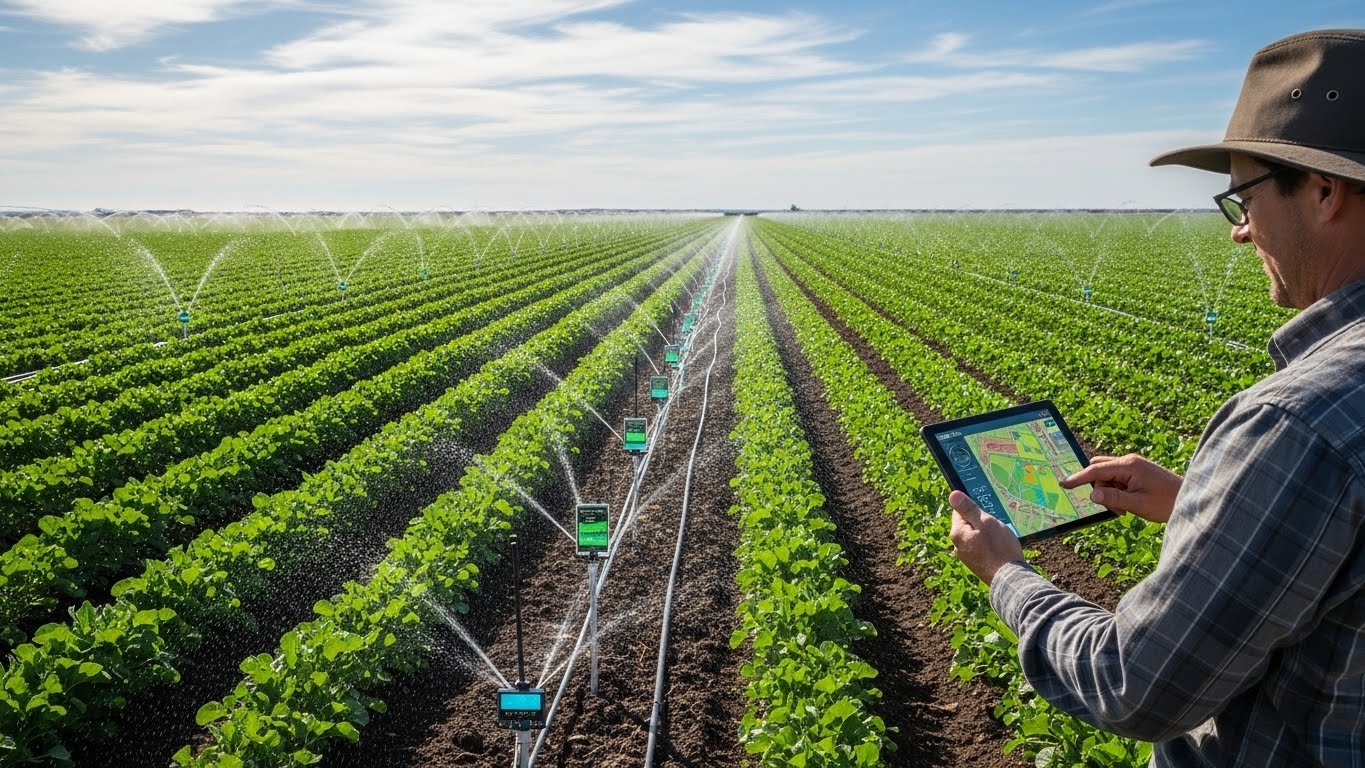
Smart sprinklers use automated controllers and weather data to optimize watering schedules. They are suitable for larger fields and diverse crop types.
Sensor-Based Irrigation Systems
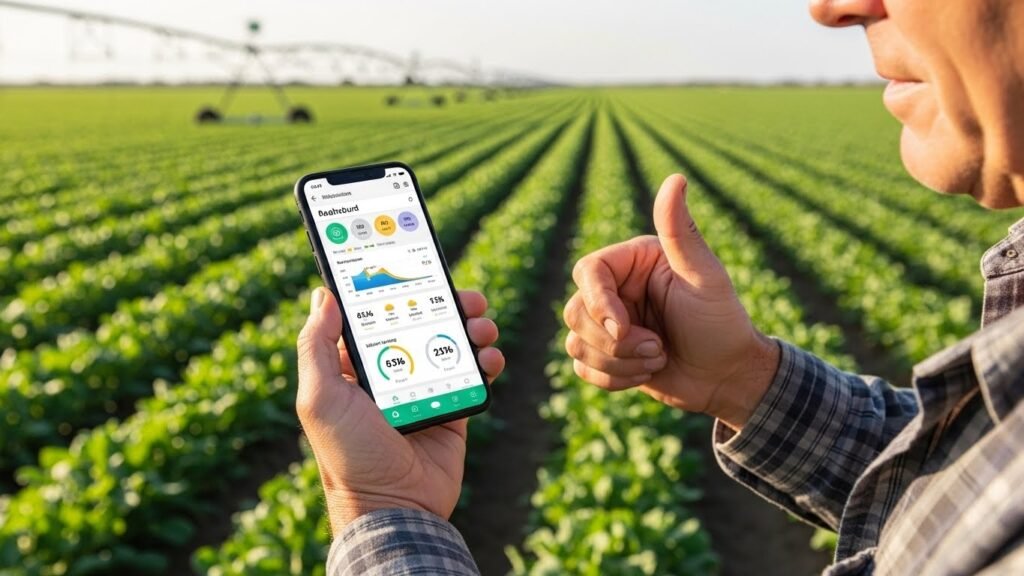
These systems rely on soil moisture sensors and climate data to decide when irrigation is necessary. Prevents unnecessary watering and improves resource efficiency.
How Smart Irrigation Works
Intelligent irrigation systems collect data from soil sensors, weather forecasts, and plant requirements. The system processes this data and automatically adjusts irrigation timing and volume. This data-driven approach ensures precise water application.
Benefits of Smart Irrigation Systems
- Reduced water consumption
- Improved crop health
- Lower labor costs
- Better yield consistency
- Environmental sustainability
Many farmers report that smart irrigation significantly reduces water bills while improving farm profitability.
Installation and Maintenance Considerations
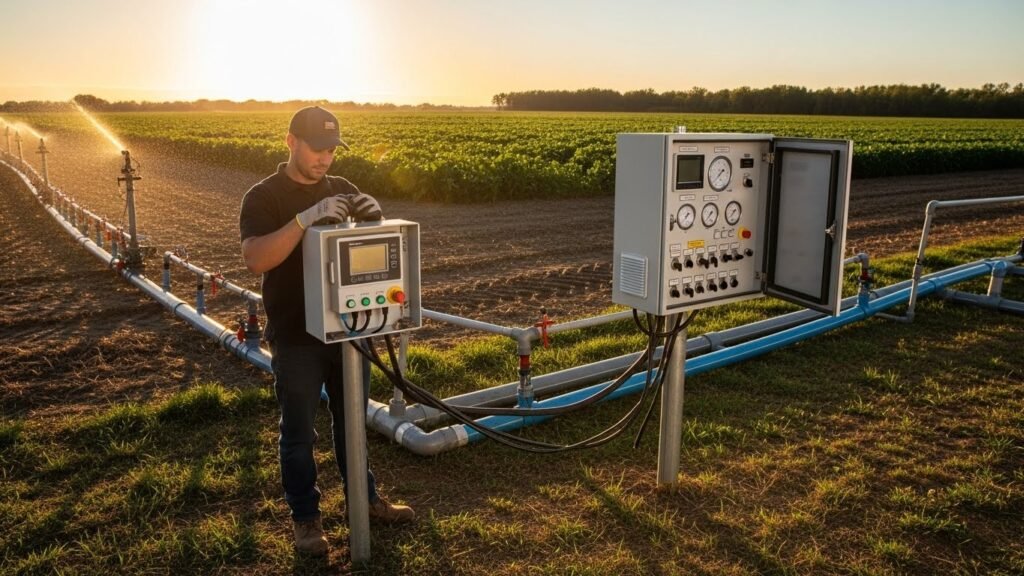
Installing an intelligent irrigation system requires initial investment, proper planning, and basic technical knowledge. However, long-term savings often outweigh setup costs. Regular maintenance ensures sensors and controllers function accurately.
Smart Irrigation and Sustainable Farming
Smart irrigation supports sustainable agriculture by conserving water and reducing environmental impact. Efficient water use also minimizes soil erosion and nutrient loss.
Common Mistakes to Avoid
Some farmers misuse smart irrigation by failing to calibrate sensors or by relying solely on automation without field inspection. Combining technology with regular field observation produces the best results.
Future of Smart Irrigation in Agriculture
Advancements in artificial intelligence and IoT are making smart irrigation more accessible and affordable. Future systems will offer even greater precision and predictive capabilities, helping farmers adapt to climate change.
Conclusion
Intelligent irrigation systems in agriculture are transforming how farmers manage water resources. By using technology to deliver precise irrigation, farmers can save water, reduce costs, and increase crop yields. Adopting smart irrigation is not just a modern trend—it is a necessity for sustainable agricultural growth.