Introduction
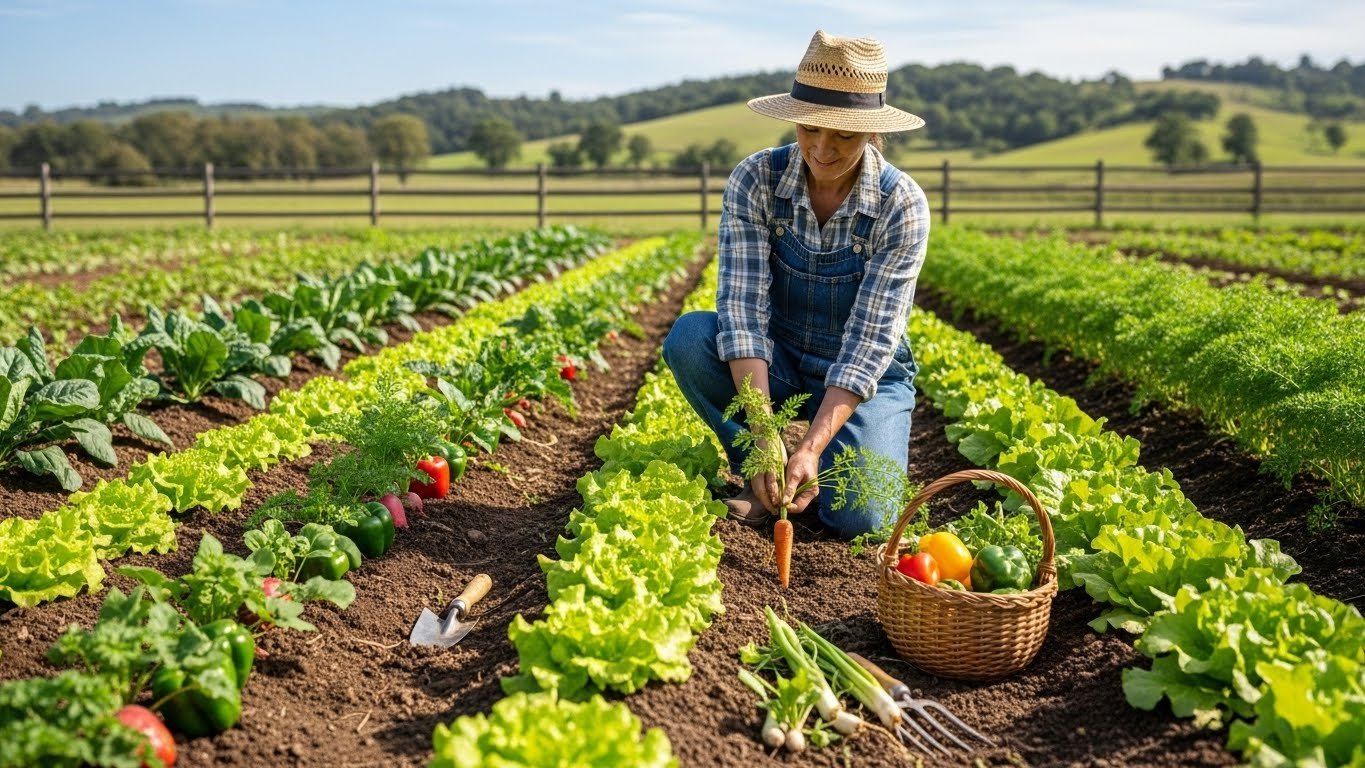
Vegetable farming is one of the most profitable agricultural activities, especially for beginners and small-scale farmers. Unlike extensive crop farming, growing vegetables requires relatively low investment and delivers quick returns. Low-investment vegetable farming focuses on thoughtful planning, crop selection, and efficient resource use to maximize profits while minimizing costs. This guide explains how anyone can start vegetable farming with limited capital and achieve sustainable income.
What is Low-Investment Vegetable Farming?
Low-investment vegetable farming is growing vegetables with minimal financial input while maintaining high productivity. It relies on affordable seeds, efficient water use, organic fertilizers, and proper farm management instead of expensive machinery.
Why Vegetable Farming Is Highly Profitable
Vegetables have year-round market demand. They grow quickly, allowing multiple harvests within a short period. With proper planning, farmers can sell fresh produce directly to local markets, increasing profit margins.
Many farmers report that vegetable farming provides faster cash flow compared to traditional cereal crops.
Choosing the Right Vegetables
Selecting the right crops is critical for success. Vegetables that require low input and have strong market demand are ideal for beginners.
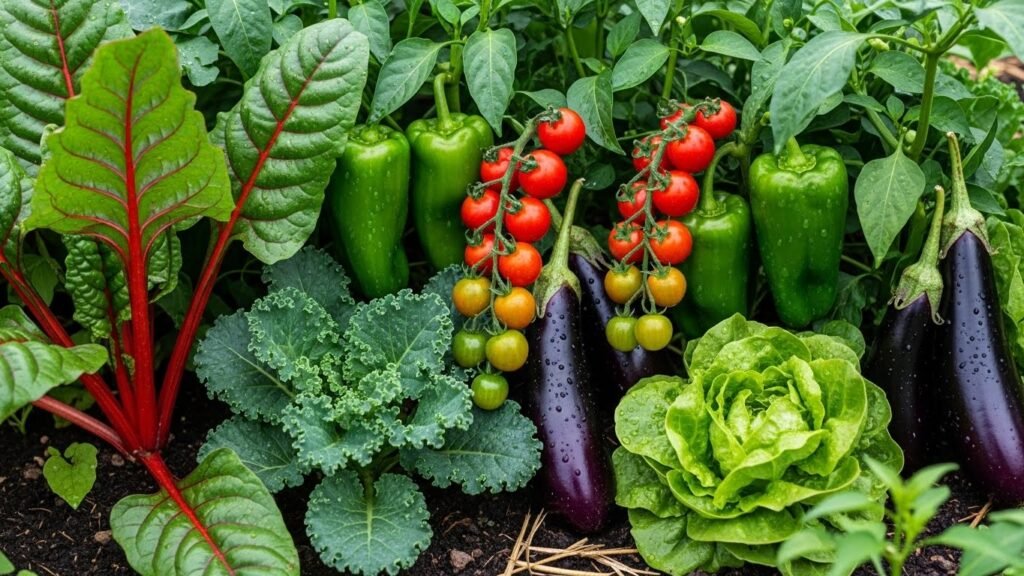
Popular low-investment vegetables include:
- Spinach
- Okra
- Tomatoes
- Eggplant
- Chili peppers
Land Preparation and Soil Management
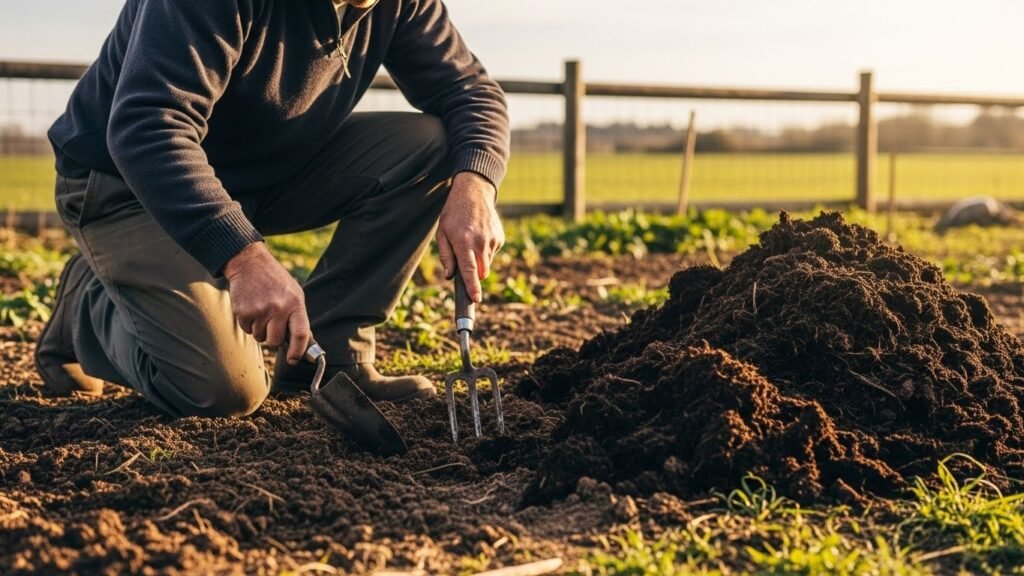
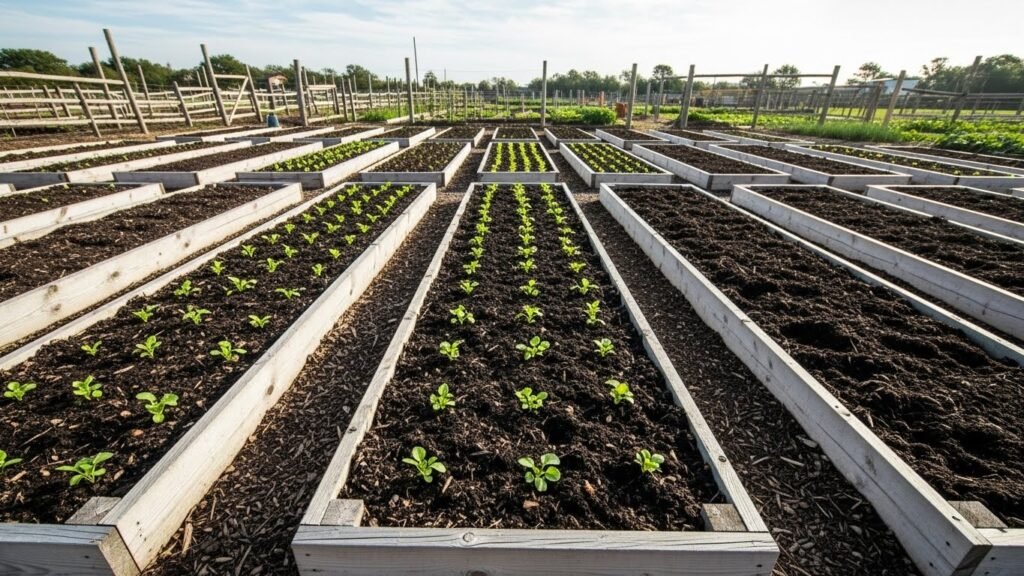
Good soil preparation improves plant health and yield. Farmers should focus on improving soil fertility using compost, cow manure, or other organic matter. Raised beds can improve drainage and reduce disease risk.
Seed Selection and Planting Techniques
Using quality seeds improves germination and plant strength. Farmers should plant seeds at proper spacing to allow airflow and sunlight penetration, reducing the risk of disease.
Water Management on a Budget
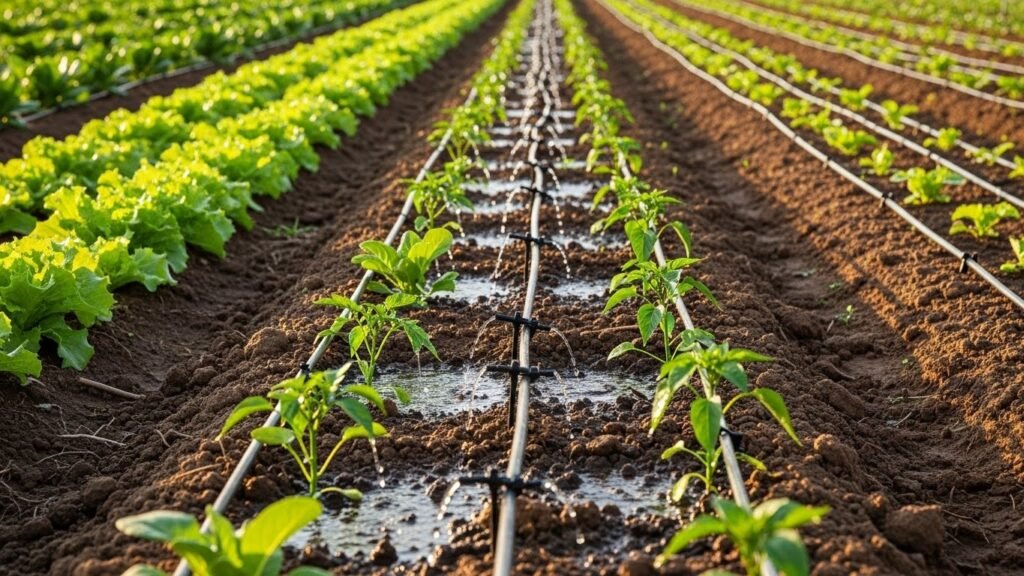
Efficient water use is essential in low-investment farming. Simple drip irrigation systems or manual watering methods can significantly reduce water waste and costs.
Natural Pest and Disease Control
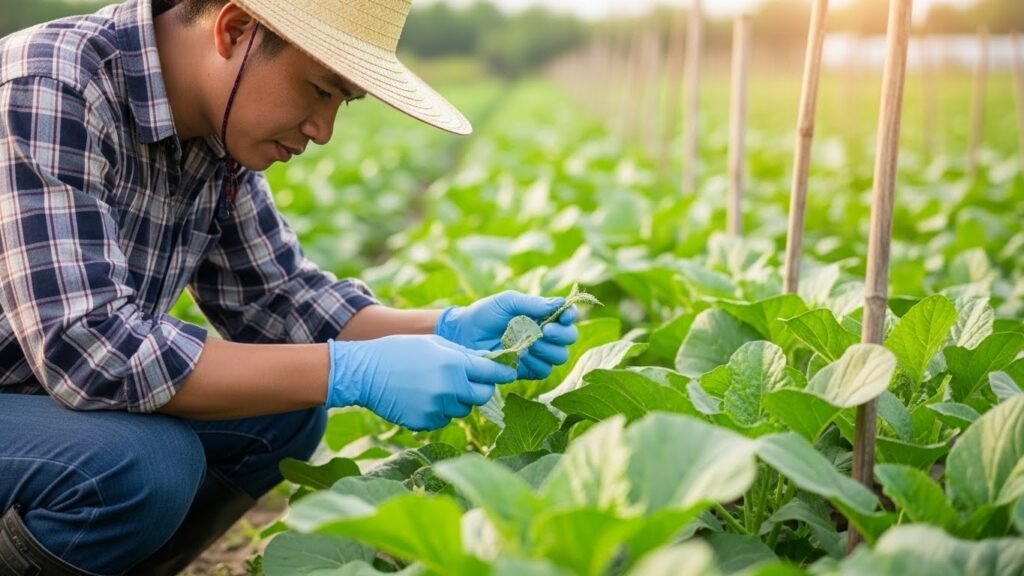
Chemical pesticides increase costs and may harm soil health. Natural pest control methods such as neem extract, crop rotation, and manual pest removal are cost-effective and environmentally friendly.
Harvesting and Marketing Vegetables
Farmers should harvest vegetables at the proper maturity stage to maintain freshness and quality. Selling directly to local markets, restaurants, or consumers increases profit by eliminating intermediaries.
Cost Breakdown and Expected Profit
Low-investment vegetable farming requires minimal expenses for seeds, water, and basic tools. With proper planning, farmers can recover costs within one growing season and generate a steady income.
Common Mistakes to Avoid
Overwatering, poor crop selection, and neglecting pest control can reduce profit. Farmers should start small, learn from experience, and gradually expand.
Sustainable Practices for Long-Term Success
Using organic fertilizers, conserving water, and maintaining soil health ensure long-term productivity. Sustainable farming practices reduce costs and protect the environment.
Future Opportunities in Vegetable Farming
Urban farming, organic vegetables, and direct-to-consumer sales offer new income opportunities. With increasing demand for fresh food, vegetable farming remains a promising business.
Conclusion
Low-investment vegetable farming is an excellent option for anyone looking to start farming with limited capital. By selecting the right crops, managing resources efficiently, and using sustainable practices, farmers can achieve high profits and long-term success.