Introduction
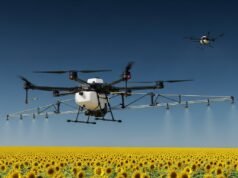
Crop diseases are a significant challenge for farmers worldwide. They reduce yield, affect crop quality, and increase production costs. Early crop disease identification and control are essential to prevent large-scale losses and ensure sustainable farming. Understanding disease symptoms, causes, and management techniques helps farmers protect crops and maintain consistent productivity. This guide explains how to identify common crop diseases and control them effectively.
What Are Crop Diseases?
Crop diseases are abnormalities in plants caused by pathogens, such as fungi, bacteria, and viruses, or by unfavorable environmental conditions. These diseases interfere with normal plant growth and reduce crop performance if left untreated.
Importance of Early Disease Identification
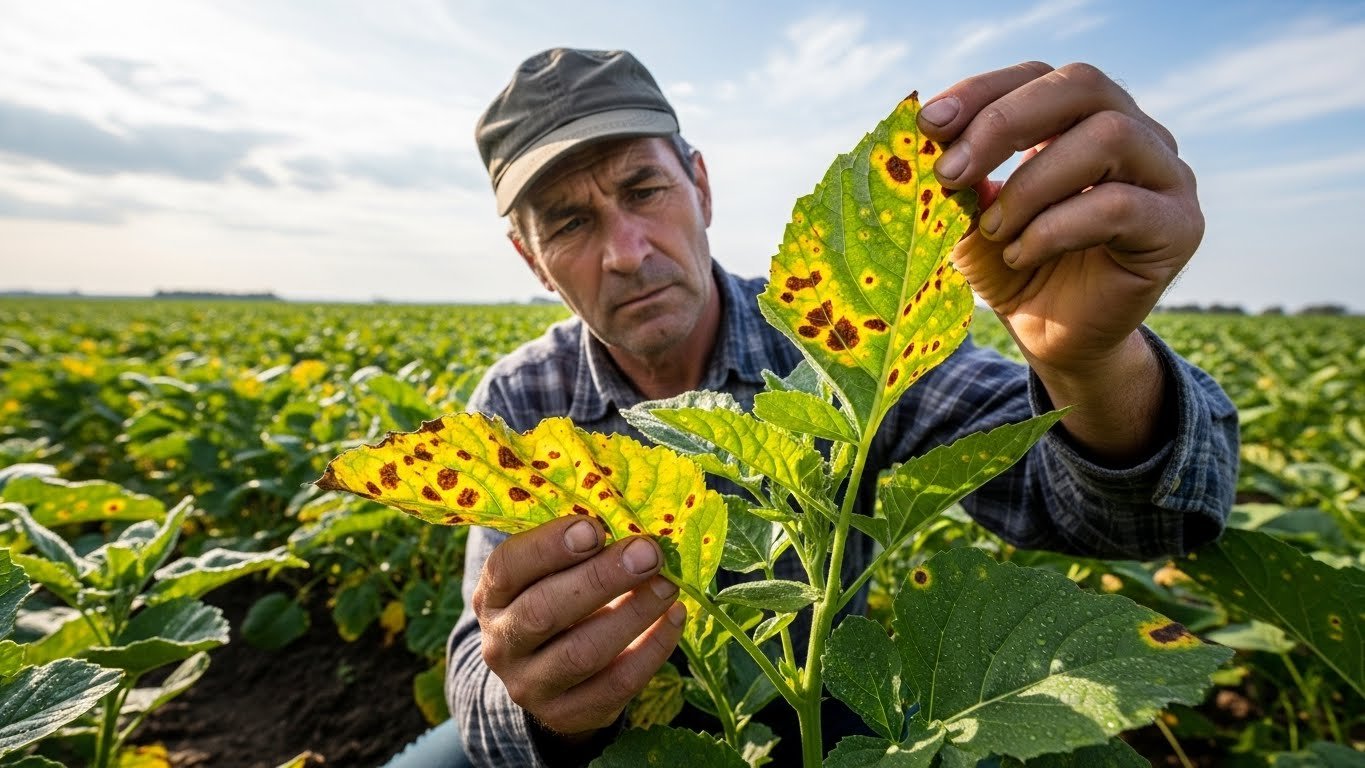
Identifying crop diseases early allows farmers to take timely action. Early detection minimizes spread, reduces chemical use, and protects healthy plants. Many farmers report better yields when disease monitoring is done regularly.
Common Types of Crop Diseases
Fungal Diseases
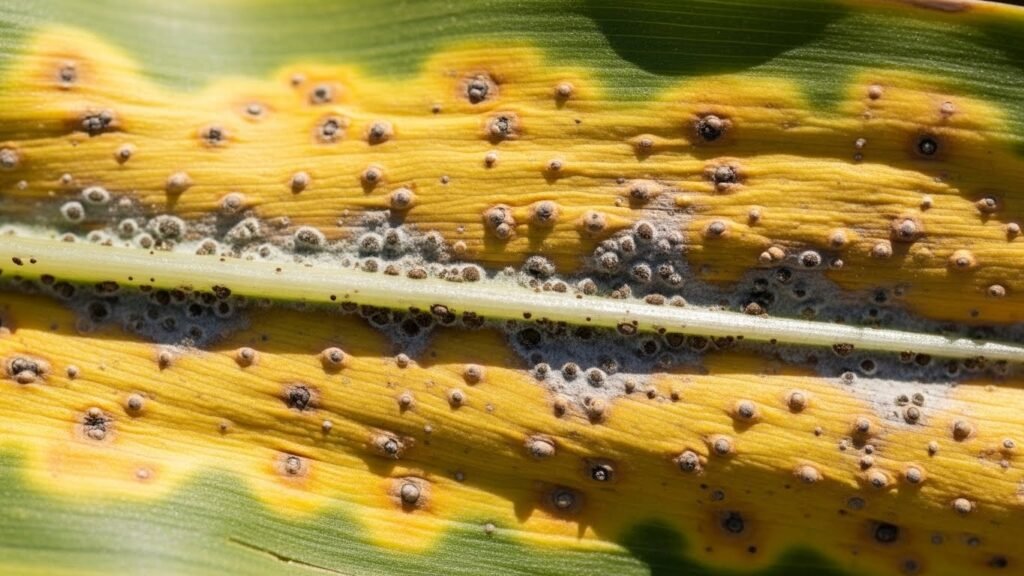
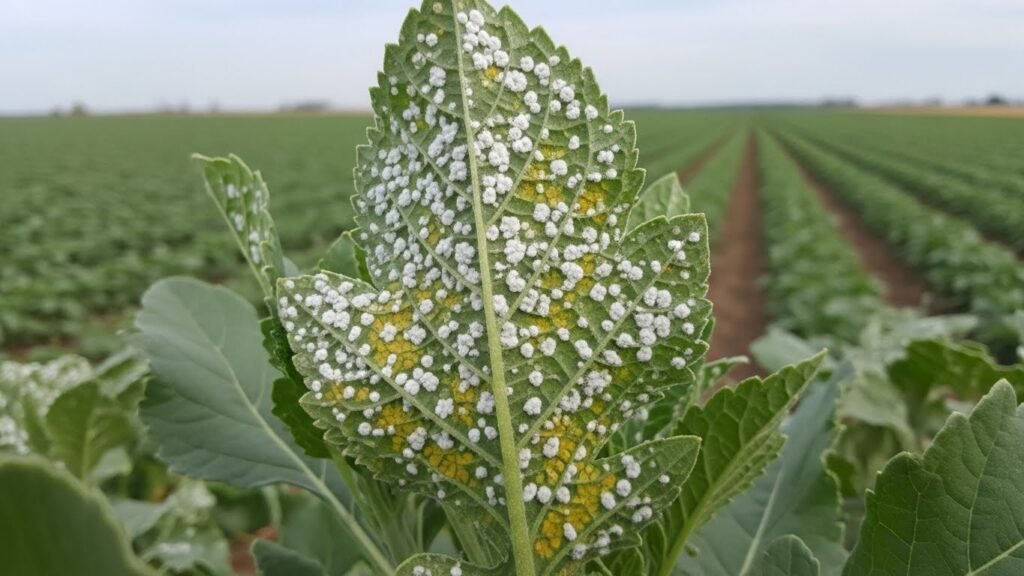
Fungal diseases are the most common and spread quickly in warm and humid conditions. Examples include leaf blight, rust, and powdery mildew.
Bacterial Diseases
Bacterial diseases cause leaf wilting, soft rot, and water-soaked lesions. Poor drainage and contaminated tools often contribute to their spread.
Viral Diseases
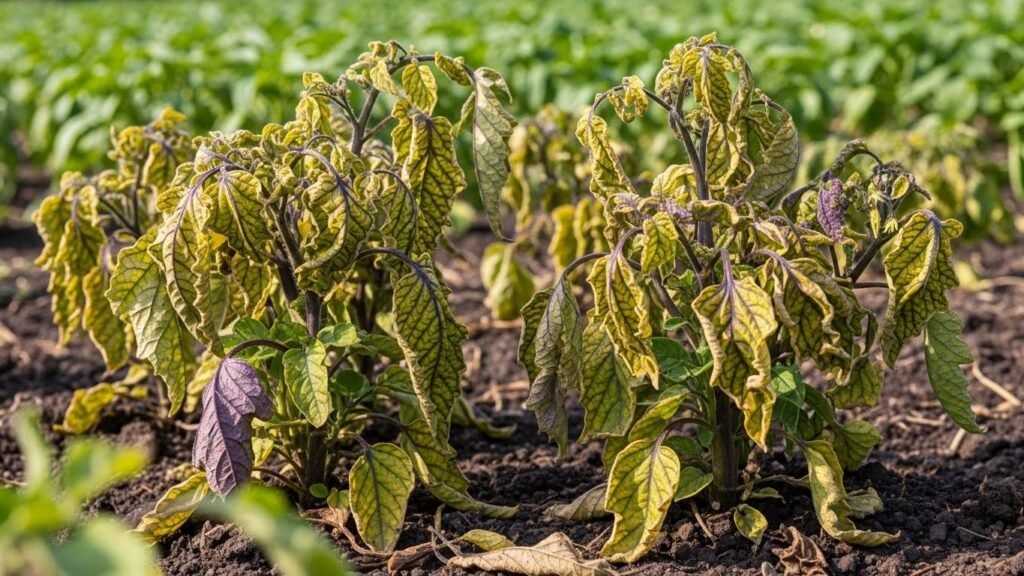
Viral diseases cause stunted growth, leaf curling, and discoloration. These diseases are often transmitted by insects such as aphids and whiteflies.
Environmental Causes of Crop Diseases
Not all crop problems are caused by pathogens. Nutrient deficiency, water stress, and extreme temperatures can also mimic disease symptoms. Proper soil management reduces such risks.
Methods of Crop Disease Control
Cultural Control
Cultural practices include crop rotation, proper spacing, clean field management, and the use of resistant varieties. These methods reduce disease pressure naturally.
Biological Control
Biological control uses beneficial organisms to suppress pathogens. It is an eco-friendly approach and supports sustainable agriculture.
Chemical Control
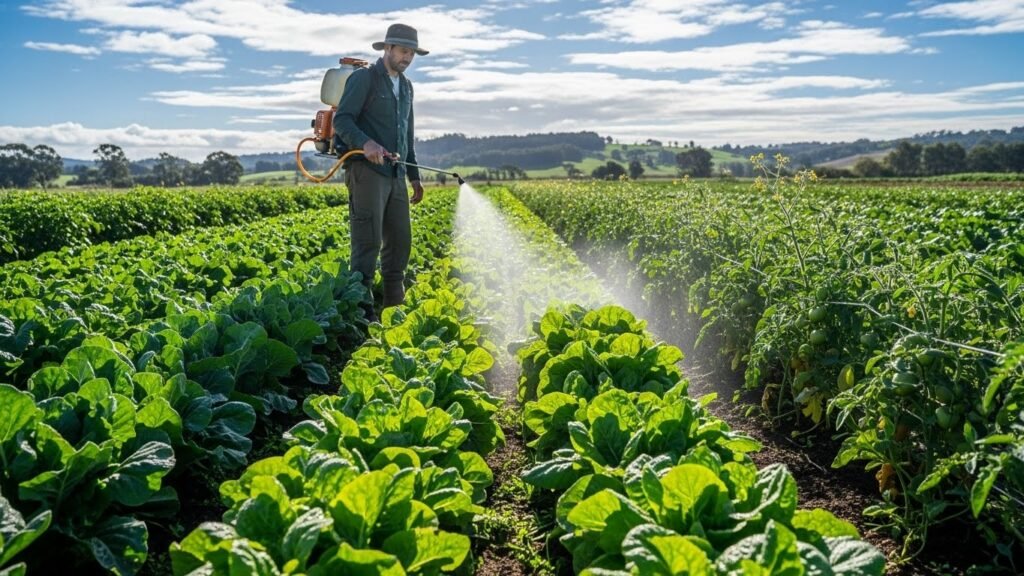
Chemical control should be used carefully and only when necessary. Approved fungicides and bactericides help manage severe infections while minimizing environmental impact.
Integrated Disease Management (IDM)
Integrated Disease Management combines cultural, biological, and chemical methods for adequate crop protection. This approach reduces reliance on chemicals and improves long-term soil health.
Monitoring and Regular Inspection
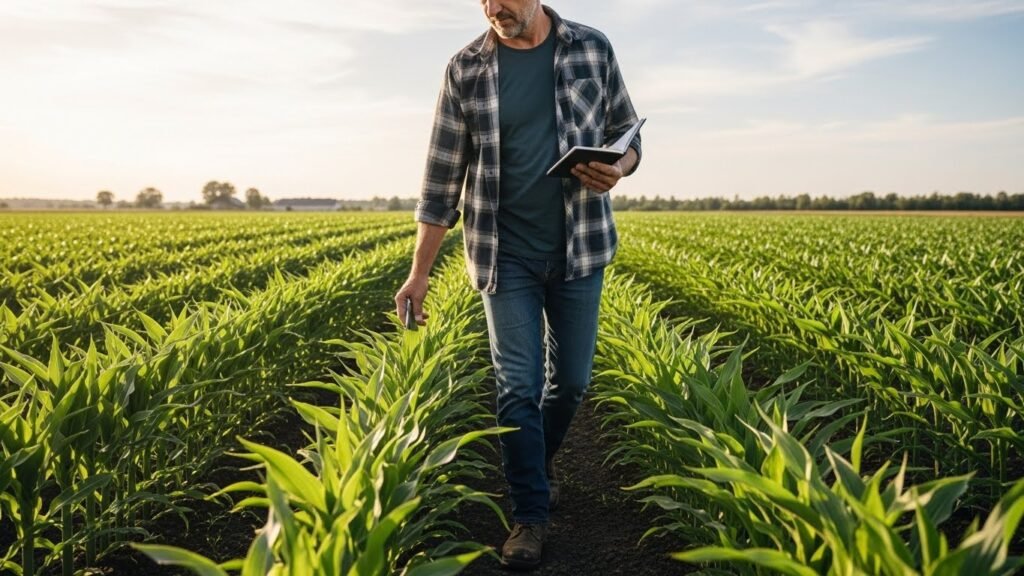
Regular field inspection helps detect disease symptoms early. Farmers should monitor leaves, stems, and roots throughout the growing season.
Common Mistakes to Avoid
Delayed treatment, excessive pesticide use, and ignoring field hygiene can worsen disease problems. Balanced management practices ensure adequate control.
Economic Benefits of Disease Control
Effective crop disease control reduces yield loss and production costs. Healthy crops yield higher-quality harvests and command a higher market value.
Sustainable Crop Protection
Sustainable disease management protects both crops and the environment. Reducing chemical dependency preserves soil fertility and biodiversity.
Future of Crop Disease Management
Advances in technology, such as AI-based disease detection and mobile apps, are improving crop monitoring. These tools help farmers respond quickly and accurately.
Conclusion
Crop disease identification and control are essential for successful farming. By recognizing symptoms early and using integrated management techniques, farmers can protect crops, reduce losses, and improve productivity. Sustainable disease control practices ensure long-term agricultural success.