Fruit Farming Techniques for Higher Yield: A Complete Guide
Introduction
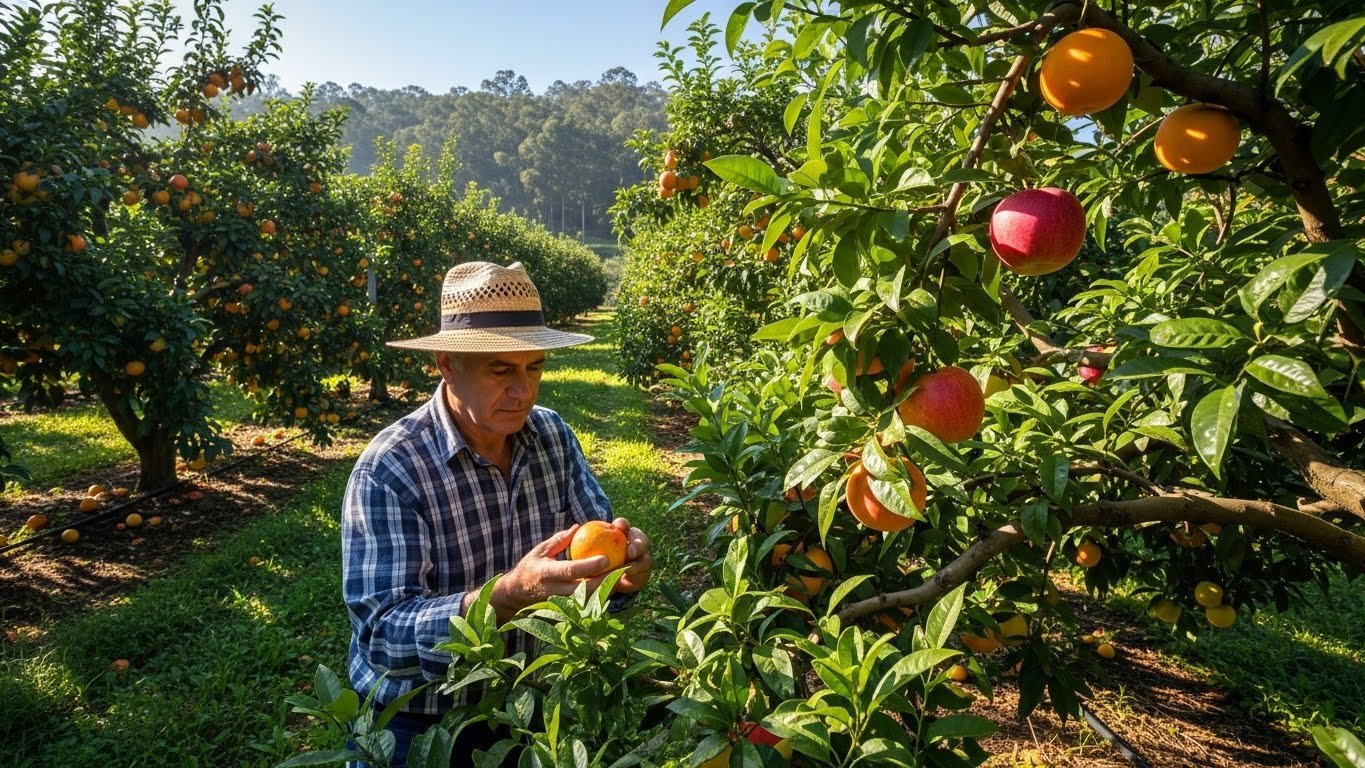
Fruit farming plays a crucial role in global agriculture by providing nutritious food and income for millions of farmers. With rising demand for fresh fruits and increasing production costs, adopting effective fruit farming techniques is essential to achieving higher yields and better quality. Modern fruit cultivation focuses on scientific planning, proper orchard management, and sustainable practices. This guide explains proven fruit farming techniques that help farmers increase productivity and profitability.
What Are Fruit Farming Techniques?
Fruit farming techniques are practices used to grow fruit crops efficiently. These include proper site selection, variety choice, soil management, irrigation, pest control, and harvesting methods. When applied correctly, these techniques ensure healthy plant growth and consistent fruit production.
Importance of Proper Fruit Farming Techniques
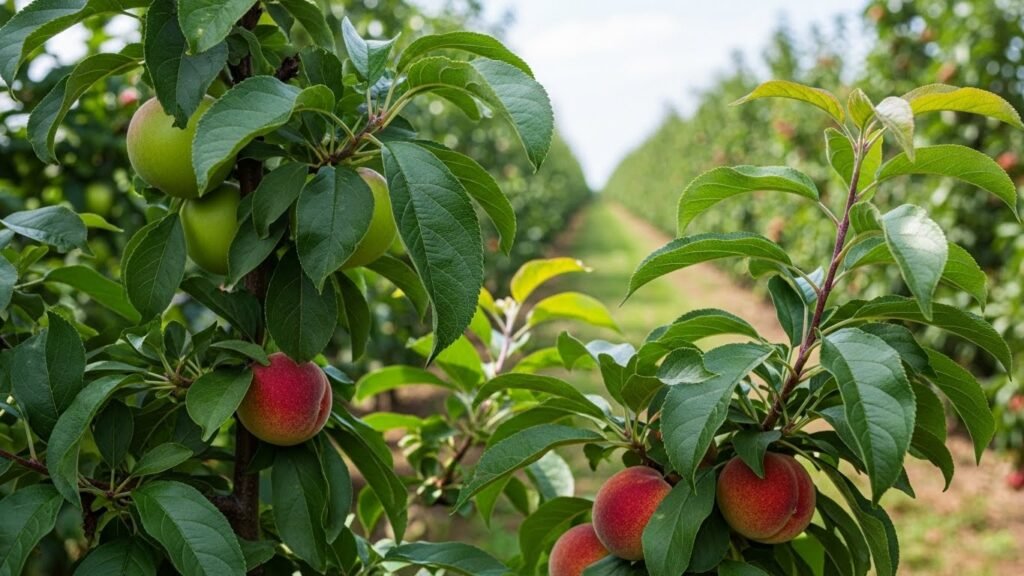
Using proper techniques improves fruit size, taste, and shelf life. It also reduces crop loss caused by pests, diseases, and environmental stress. Many orchard owners report increased income after adopting modern fruit farming practices.
Selecting the Right Location and Soil
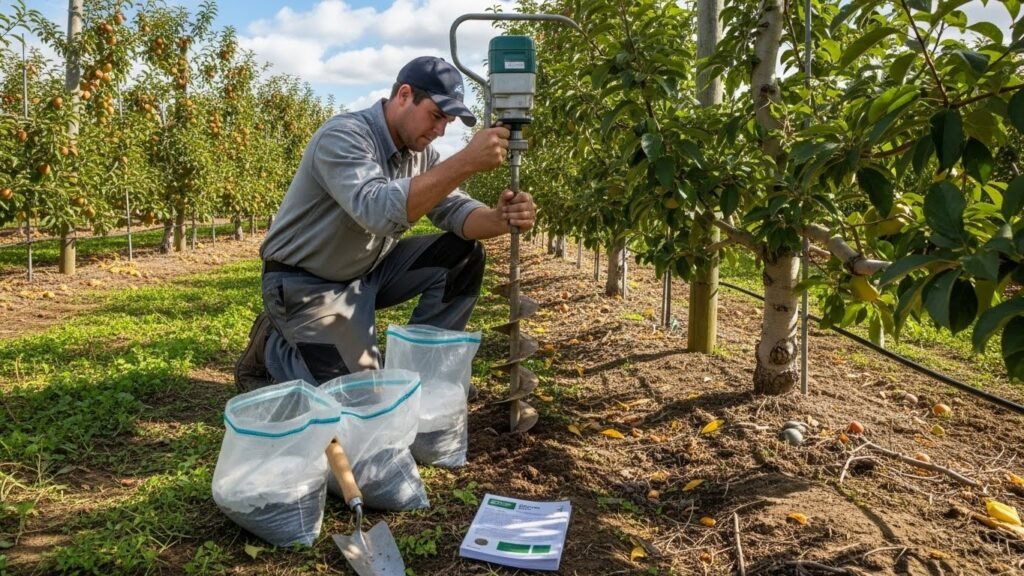
Fruit trees require specific soil and climate conditions. Well-drained soil with adequate organic matter is ideal for most fruit crops. Soil testing helps identify nutrient deficiencies and guides fertilizer application.
Choosing High-Quality Fruit Varieties
Selecting disease-resistant, high-yielding varieties is critical for success. Improved fruit varieties mature faster, produce uniform fruits, and tolerate climate variations better than traditional types.
Orchard Layout and Plant Spacing
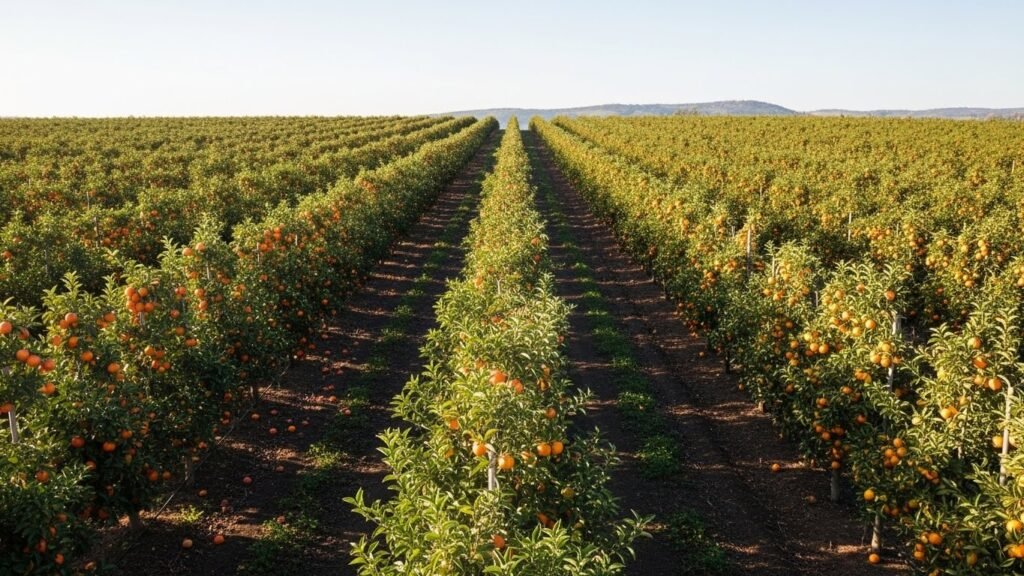
Proper spacing allows sufficient sunlight, airflow, and root development. Crowded orchards often suffer from poor fruit quality and increased disease problems. Planning orchard layout before planting ensures long-term productivity.
Irrigation Management in Fruit Farming
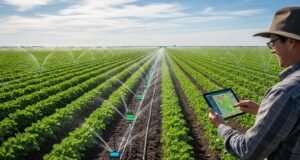
Water management directly affects fruit size and yield. Drip irrigation is widely used in fruit orchards because it delivers water efficiently to the root zone while reducing waste.
Fertilizer and Nutrient Management
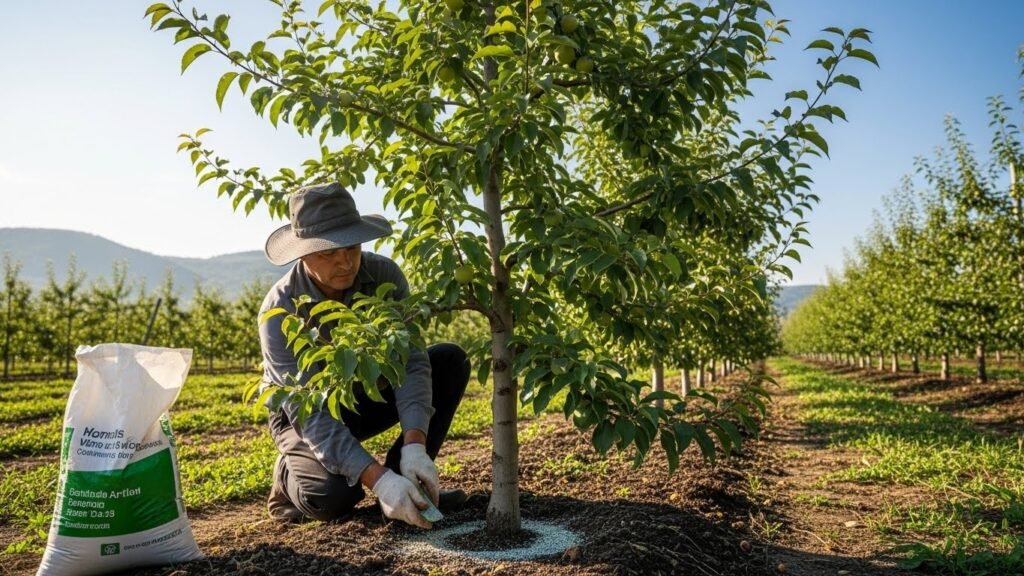
Balanced nutrition is essential for healthy fruit development. Organic manure improves soil structure, while chemical fertilizers provide imperative nutrients when used in proper amounts.
Pruning and Training Techniques
Pruning removes diseased and excess branches, allowing better light penetration and airflow. Proper training helps shape trees for easy management and higher fruit production.
Pest and Disease Management
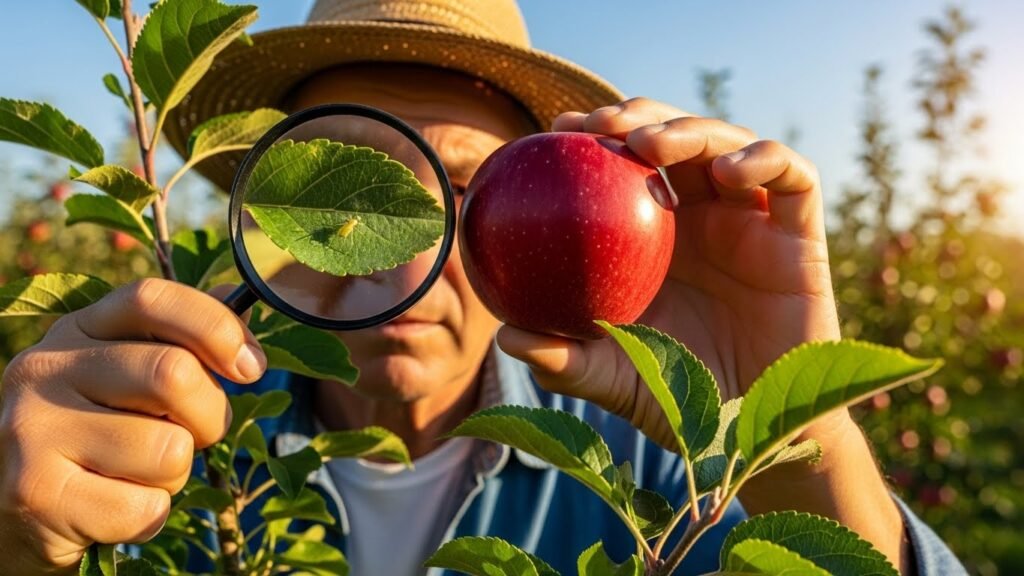
Fruit crops are vulnerable to insects and diseases. Integrated Pest Management (IPM) combines cultural, biological, and chemical methods to control pests effectively while minimizing chemical use.
Flowering and Fruit Set Management
Adequate pollination and proper nutrition during flowering improve fruit set. Stress during this stage can significantly reduce yield.
Harvesting Techniques
Fruits should be harvested at the proper maturity stage to ensure the best taste and shelf life. Careful handling prevents bruising and post-harvest losses.
Post-Harvest Handling and Storage
Proper cleaning, grading, and storage extend fruit freshness. Cold storage and controlled environments help maintain quality for extended periods.
Economic Benefits of Improved Fruit Farming
Applying scientific fruit-farming techniques increases yields and reduces losses. Higher-quality fruits fetch better prices in local and international markets.
Sustainable Fruit Farming Practices
Sustainable practices such as organic inputs, efficient irrigation, and soil conservation protect the environment and ensure long-term orchard productivity.
Common Mistakes to Avoid
Poor spacing, irregular pruning, over-fertilization, and delayed pest control can reduce yield. Regular monitoring and timely management are key to success.
Future of Fruit Farming
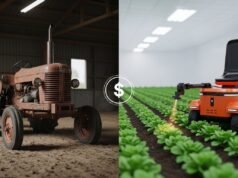
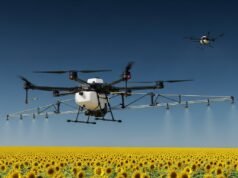
Technological advancements like precision irrigation, digital monitoring, and improved varieties are shaping the future of fruit farming. These innovations will help farmers adapt to climate challenges and market demands.
Conclusion
Fruit farming techniques play a vital role in achieving higher yields and better fruit quality. By selecting the right varieties, properly managing orchards, and adopting sustainable practices, farmers can build profitable, resilient fruit farms. Continuous learning and improvement ensure long-term success in fruit cultivation.