Organic Farming for Beginners: A Complete Practical Guide
Introduction
Organic farming is gaining global attention as consumers become more concerned about food safety, environmental protection, and sustainable agriculture. For beginners, organic farming may seem challenging, but with proper knowledge and planning, it can be both profitable and environmentally friendly. This beginner’s guide to organic farming explains the basic principles, methods, and steps for getting started successfully.
What Is Organic Farming?
Organic farming is an agricultural system that relies on natural inputs and ecological processes instead of synthetic chemicals. It focuses on maintaining soil fertility, biodiversity, and environmental balance while producing healthy food.
Principles of Organic Farming
Organic farming is based on key principles such as soil health, ecological balance, biodiversity, and sustainability. These principles ensure long-term productivity without harming natural resources.
Why Choose Organic Farming?
Organic farming reduces chemical exposure, improves soil structure, and protects water resources. Many farmers report better market prices and growing consumer demand for organic produce.
Soil Preparation for Organic Farming
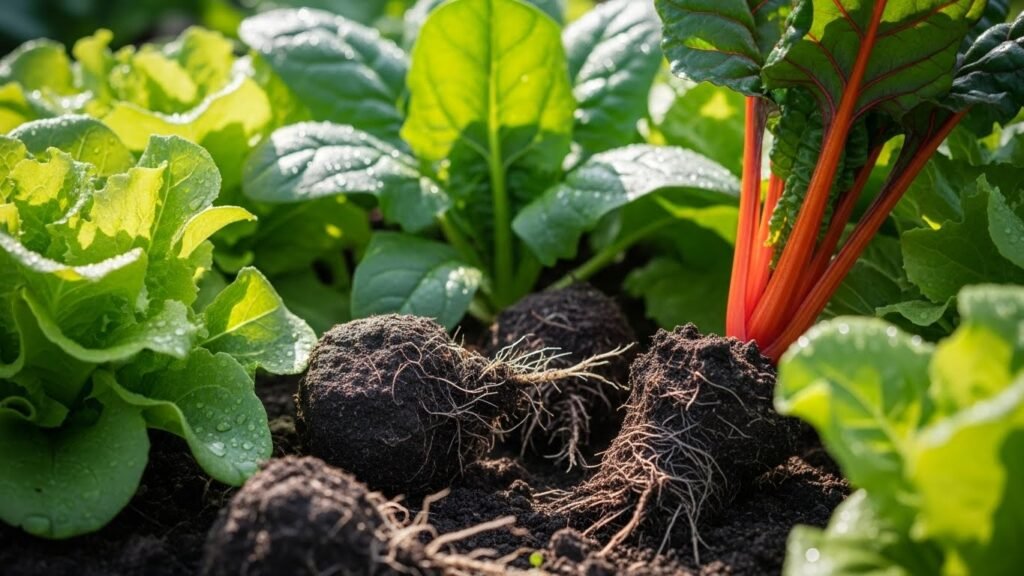
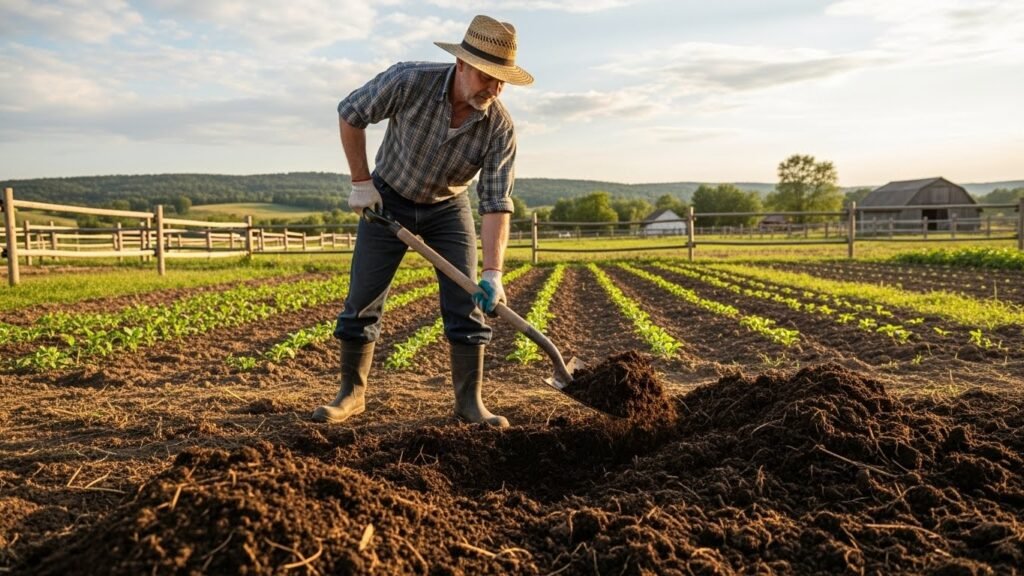
Healthy soil is the foundation of organic farming. Adding compost, green manure, and organic matter improves soil fertility and microbial activity.
Selecting Crops for Beginners
Beginners should start with easy-to-grow crops that require minimal inputs. Vegetables, legumes, and leafy greens are ideal for beginners in organic farming.
Popular beginner-friendly organic crops include:
- Spinach
- Okra
- Beans
- Tomatoes
- Lettuce
Organic Seeds and Planting
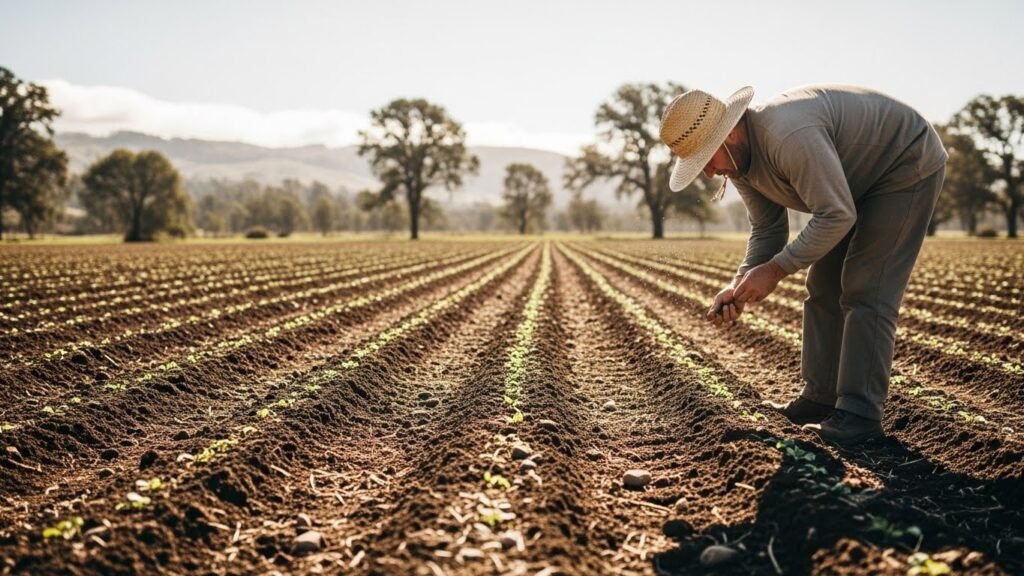
Using certified organic or untreated seeds ensures healthy crop growth. Proper spacing and timely planting reduce disease risk and improve yield.
Organic Fertilization Methods
Organic fertilizers include compost, vermicompost, green manure, and bio-fertilizers. These inputs release nutrients slowly and improve soil health over time.
Pest and Disease Management in Organic Farming
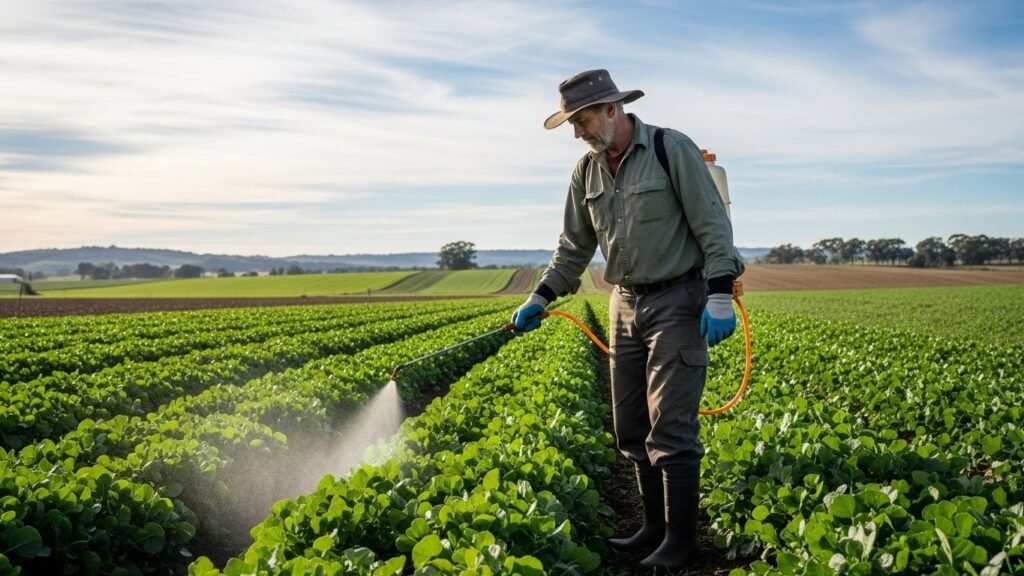
Organic farming relies on preventive measures and natural pest control. Neem-based products, crop rotation, and biological controls help manage pests safely.
Weed Management
Weeds are controlled through mulching, manual removal, and crop rotation. These methods reduce competition for nutrients without chemical herbicides.
Water Management
Efficient irrigation methods, such as drip irrigation, help conserve water and prevent disease caused by excess moisture.
Certification and Organic Standards
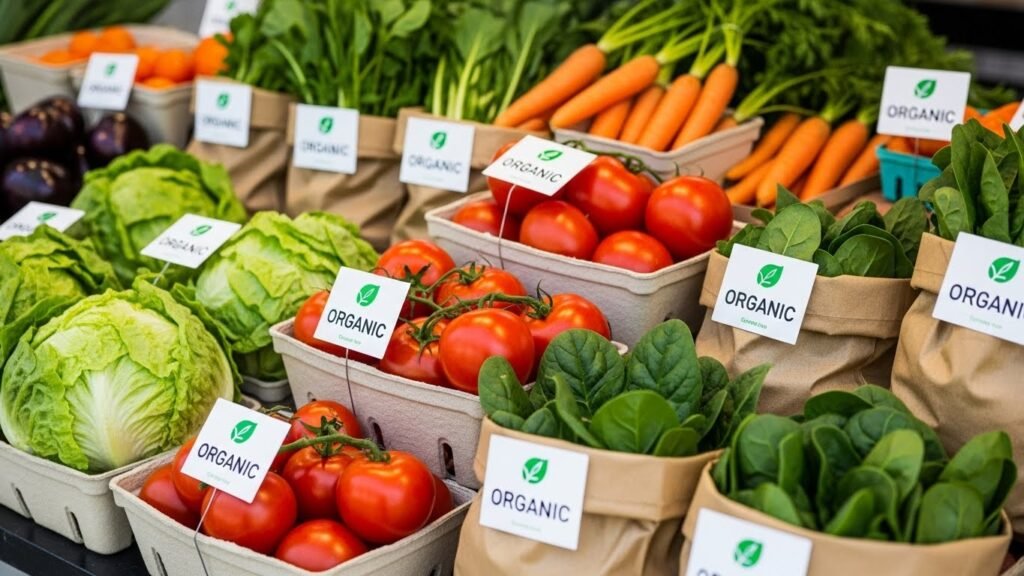
Organic certification helps farmers access premium markets. Beginners should learn local certification requirements and gradually transition to certified organic farming.
Cost and Profit Potential
Organic farming may initially require slightly higher labor, but lower input costs and higher selling prices improve long-term profitability.
Common Mistakes Beginners Should Avoid
Using chemical inputs, ignoring soil health, and expecting instant results are common mistakes. Organic farming requires patience and consistent effort.
Sustainable Benefits of Organic Farming
Organic farming protects soil, water, and biodiversity. It supports climate-resilient agriculture and long-term food security.
Future of Organic Farming
With increasing consumer demand for organic food, organic farming offers strong growth potential. Innovation and awareness continue to expand opportunities for farmers.
Conclusion
Organic farming for beginners is a practical and sustainable way to grow healthy food while protecting the environment. By understanding basic principles, improving soil health, and using natural inputs, beginners can build successful organic farms with long-term benefits.