
Introduction
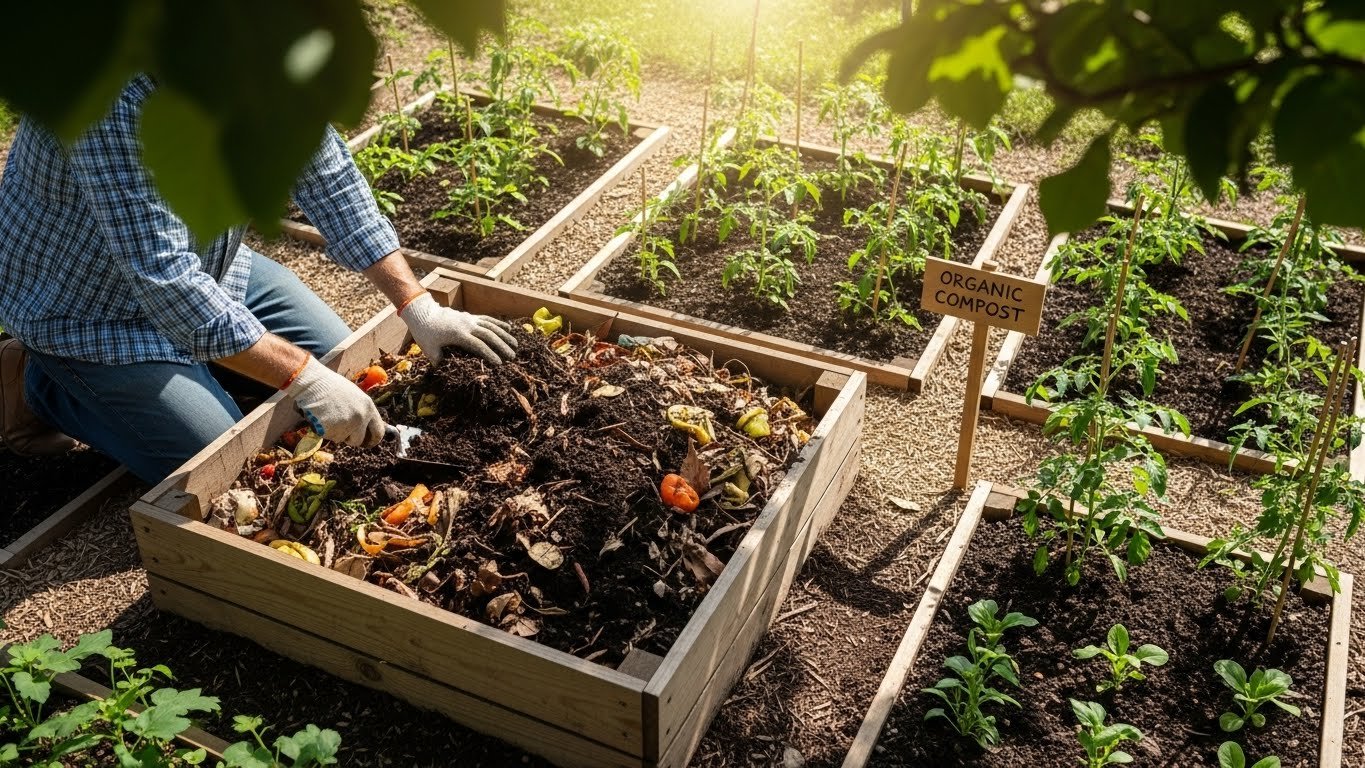
Soil fertility is the foundation of thriving agriculture. Over-dependence on chemical fertilizers has led to declining soil health, increased production costs, and environmental damage. Organic fertilizer production at home offers a sustainable, cost-effective alternative for farmers and home gardeners. By using natural materials, organic fertilizers improve soil structure, enhance microbial activity, and support long-term productivity. This guide explains how to make organic fertilizer at home easily and efficiently.
What Is Organic Fertilizer?
Manufacturers make organic fertilizer from natural plant or animal materials such as compost, manure, and organic waste. Unlike chemical fertilizers, organic fertilizers release nutrients slowly and improve soil health over time.
Benefits of Organic Fertilizer
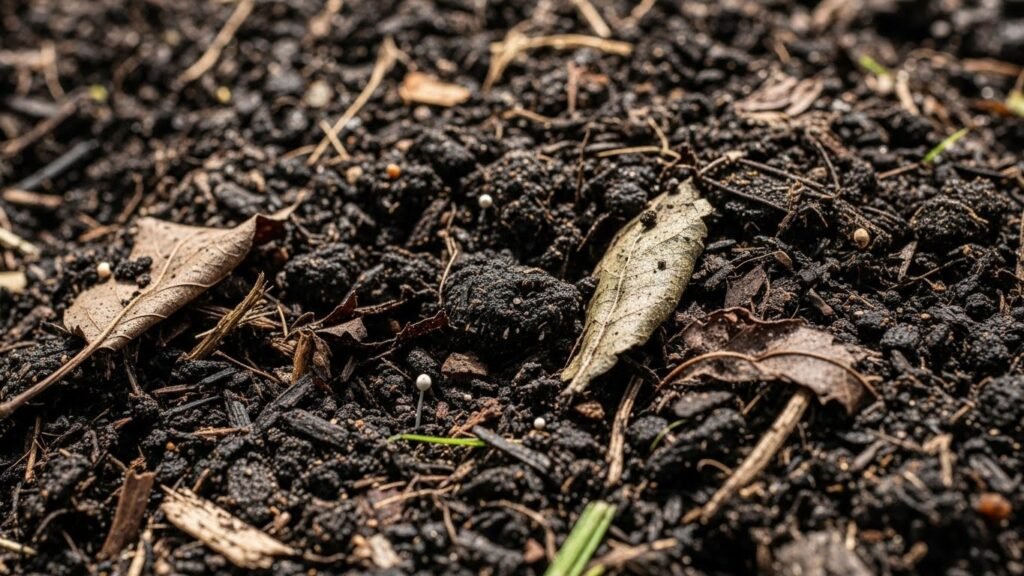
Organic fertilizers improve soil fertility without harming the environment. They increase water retention, promote beneficial microorganisms, and reduce dependency on synthetic chemicals. Many farmers report improved crop quality after switching to organic inputs.
Materials Needed for Organic Fertilizer Making
Most of the materials needed for making organic fertilizer at home are readily available. These include kitchen waste, dry leaves, animal manure, crop residues, and garden soil. Using local materials keeps costs low and reduces waste.
Compost Fertilizer Making Process
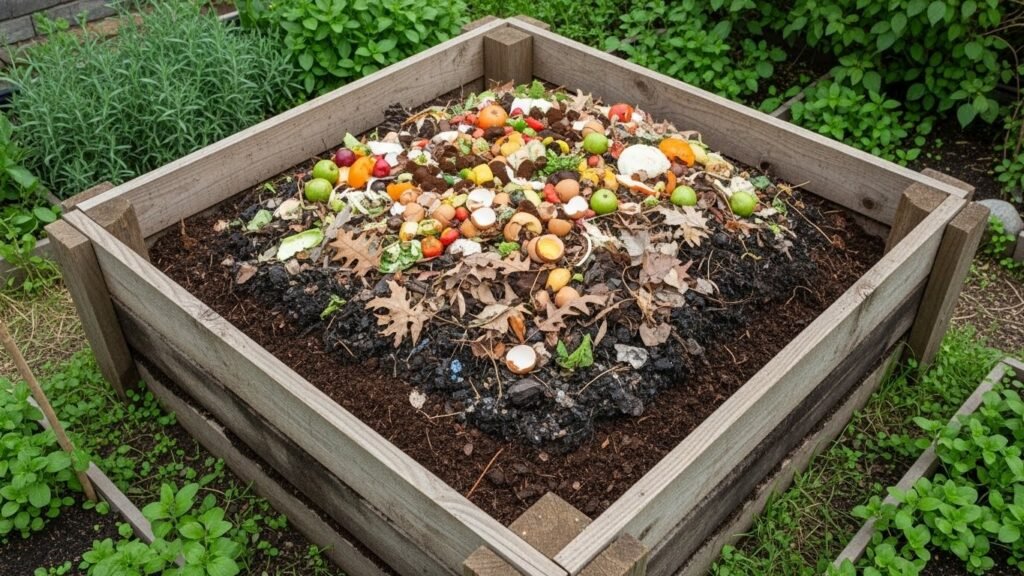
Composting is the most common method of making organic fertilizer. Microorganisms decompose organic waste to produce nutrient-rich compost.
Vermicompost Preparation
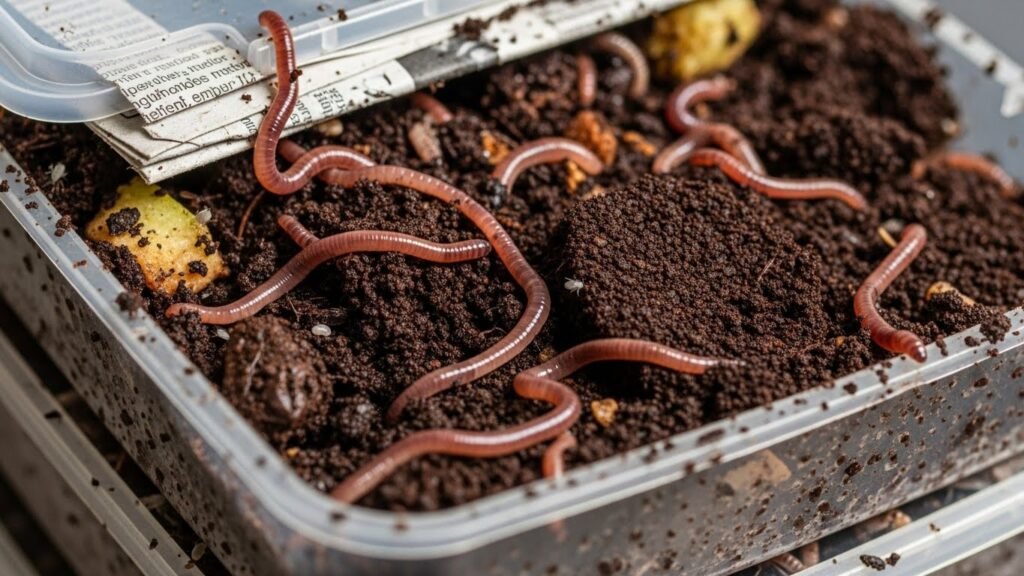
Vermicomposting uses earthworms to break down organic matter into high-quality fertilizer. This method produces nutrient-dense compost suitable for vegetables, fruits, and flowers.
Liquid Organic Fertilizer
Liquid organic fertilizer is made by soaking organic materials in water, allowing the nutrients to dissolve. Plants readily absorb this fertilizer, and it is ideal for leafy vegetables.
Application Methods
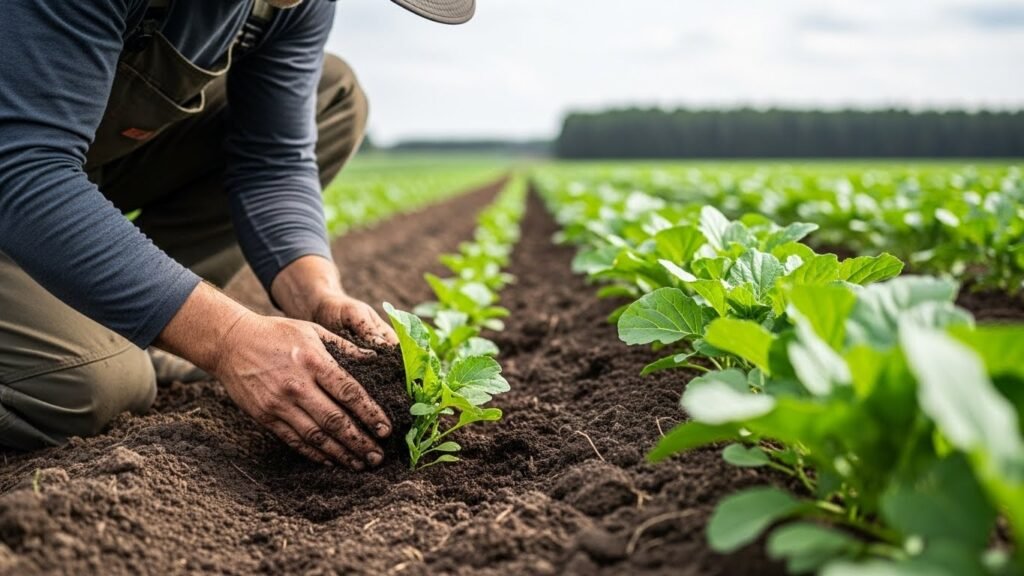
Farmers should apply organic fertilizer during soil preparation and during plant growth. Proper application ensures balanced nutrient availability and prevents overuse.
Common Mistakes to Avoid
Using fresh organic waste without decomposition can damage plants. Proper composting time and moisture control are essential to produce effective fertilizer.
Organic Fertilizer vs Chemical Fertilizer
Organic fertilizers improve long-term soil health, while chemical fertilizers provide quick but short-lived results. Sustainable farming depends on gradually reducing chemical inputs.
Cost and Profit Benefits
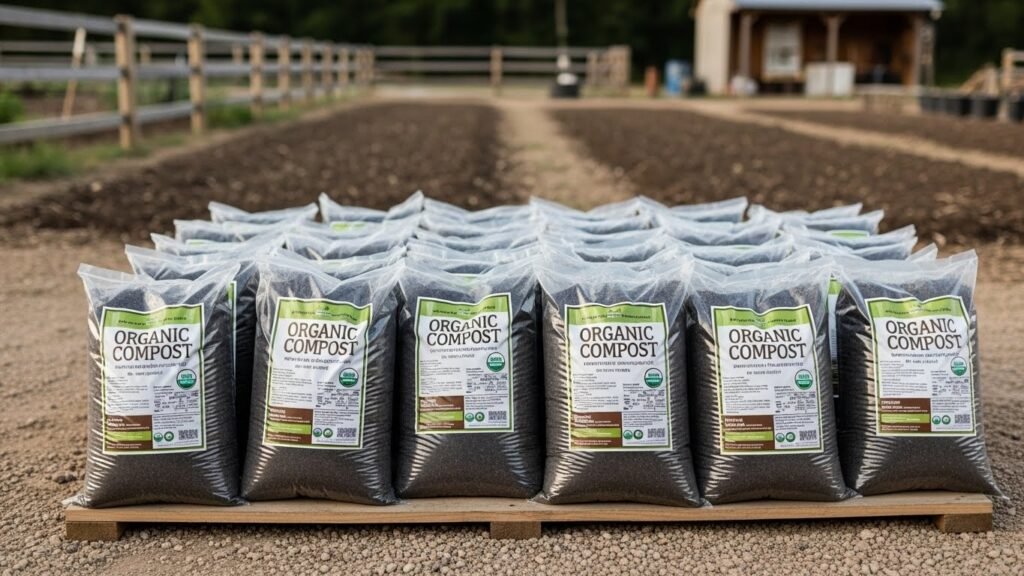
Making organic fertilizer at home significantly reduces fertilizer costs. Farmers can also sell surplus compost, creating an additional income source.
Environmental Impact
Organic fertilizer reduces soil pollution, protects groundwater, and promotes biodiversity. It supports environmentally responsible farming practices.
Future of Organic Fertilizers
As awareness of sustainable agriculture grows, demand for organic fertilizers continues to rise. Home-made fertilizers play an essential role in eco-friendly food production.
Conclusion
Organic fertilizer production at home is a simple, affordable, and sustainable way to improve soil fertility. By using natural materials and proper composting techniques, farmers and gardeners can reduce costs, increase productivity, and protect the environment.