Smart Farming Technology Explained: A Complete Beginner’s Guide
Introduction
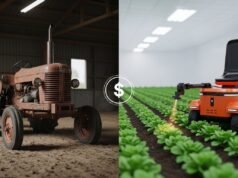
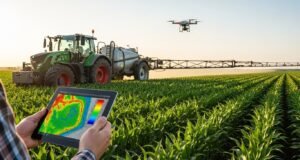
Agriculture is rapidly evolving as technology integrates. Traditional farming methods are being replaced or enhanced by innovative farming technologies that use data, automation, and digital tools to improve efficiency and productivity. As global food demand rises and resources become limited, smart farming offers practical solutions for sustainable agriculture. This guide explains what innovative farming technology is, how it works, and why it is essential for the future of farming.
What Is Smart Farming Technology?
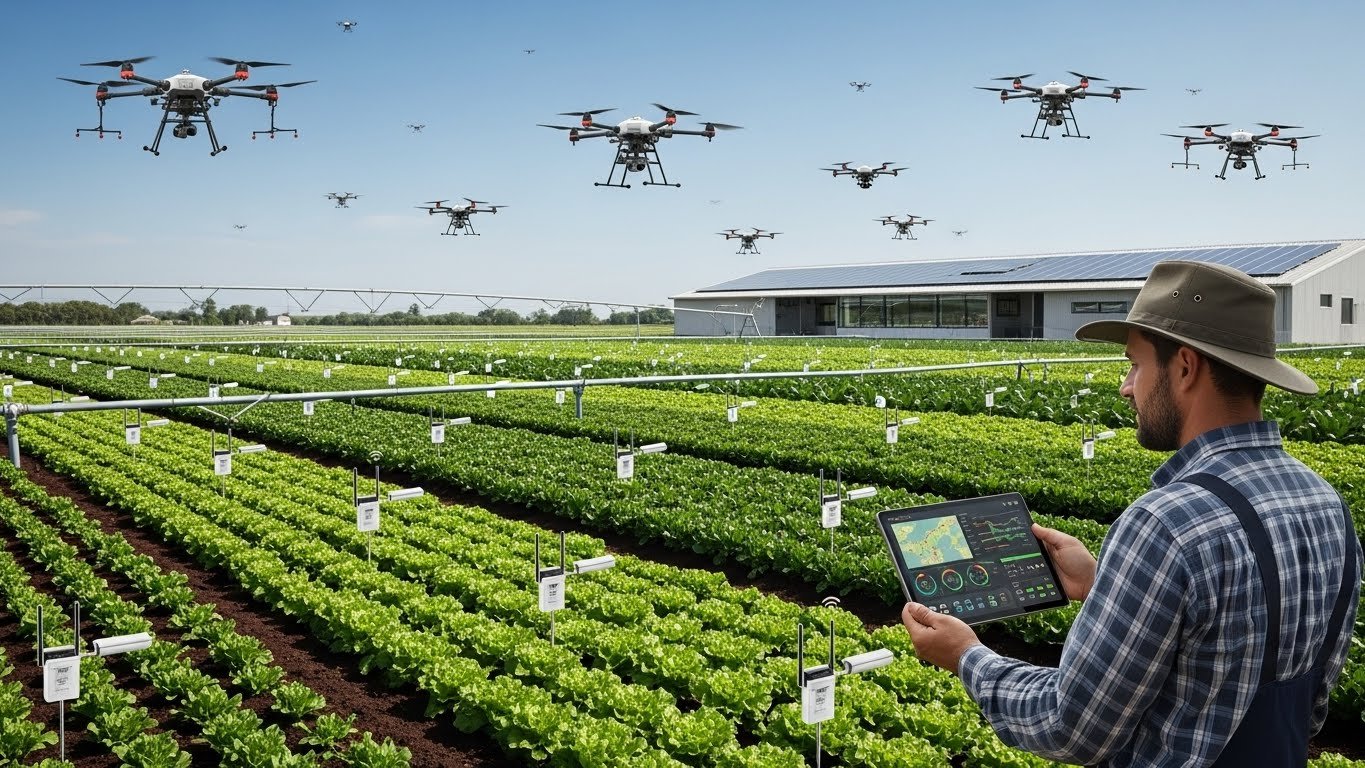
Innovative farming technology refers to the use of advanced tools such as sensors, automation systems, drones, and data analytics to manage agricultural operations more efficiently. These technologies help farmers make informed decisions based on real-time data rather than guesswork.
Why Smart Farming Technology Is Important
Smart farming reduces waste, optimizes resource use, and increases crop yield. By using accurate data, farmers can apply water, fertilizer, and pesticides only when needed. Many farmers report reduced costs and improved crop health after adopting innovative technologies.
Key Components of Smart Farming
Internet of Things (IoT) in Agriculture
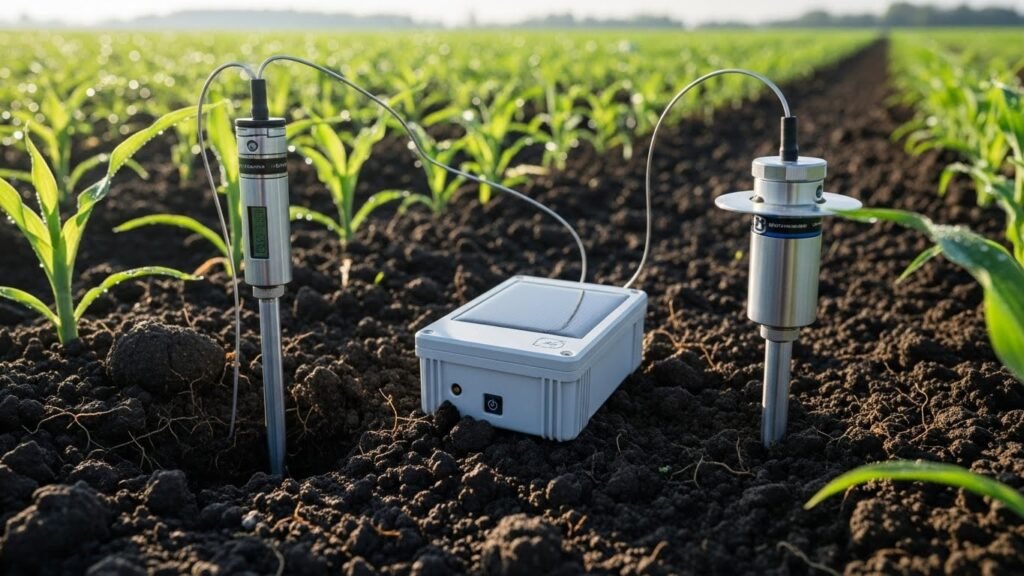
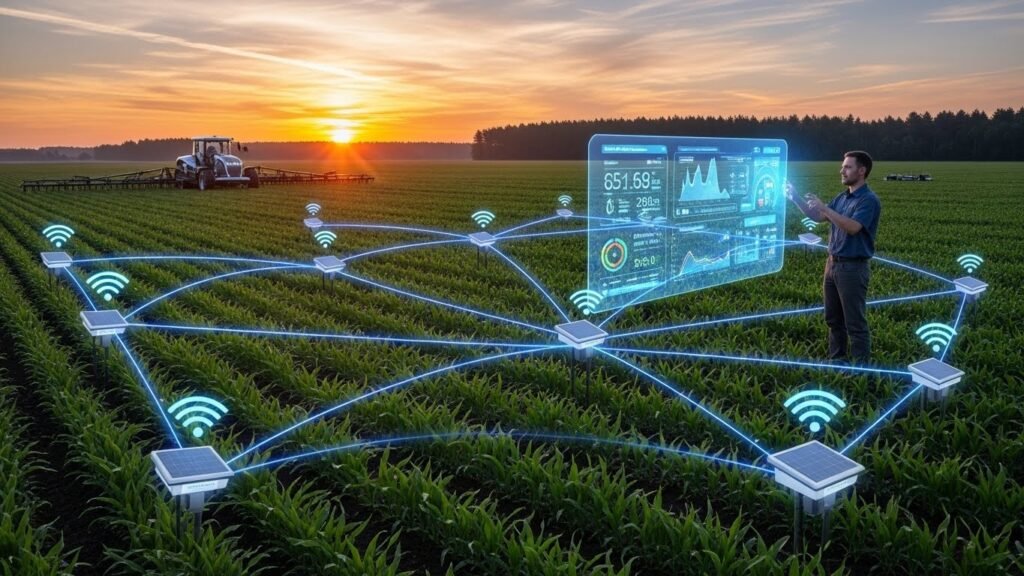
IoT devices collect data on soil moisture, temperature, humidity, and crop health. These devices transmit information to centralized systems for analysis and decision-making.
Drones in Smart Farming
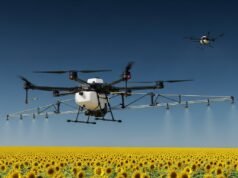
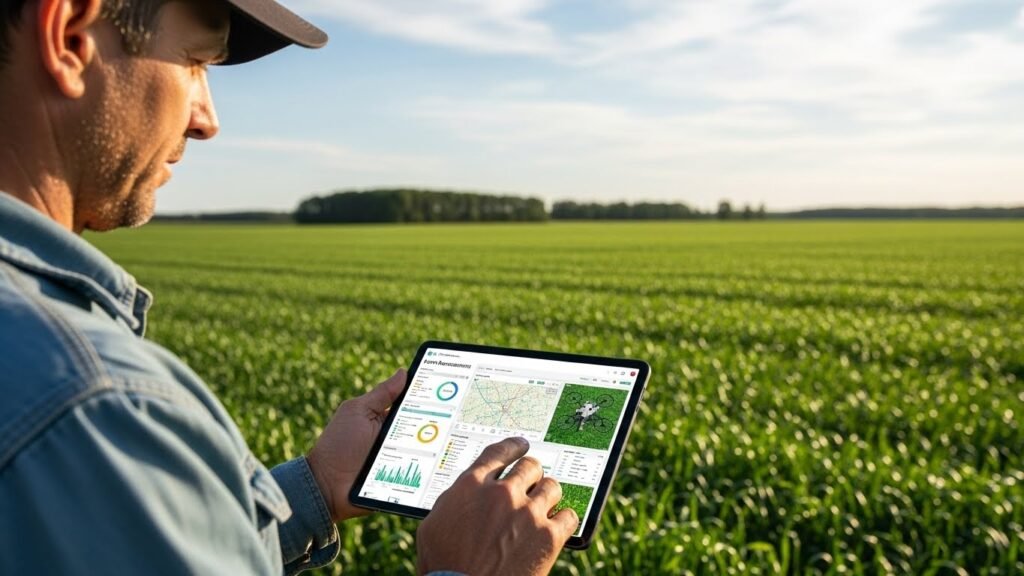
Drones are used to monitor crop health, detect stress areas, and assess field conditions. They help farmers identify problems early and take corrective action quickly.
Data Analytics and Farm Management Software
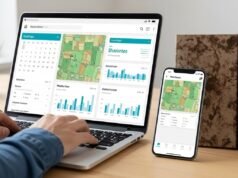
Data collected from sensors and drones is analyzed using farm management software. This software provides actionable insights, including irrigation schedules, fertilizer needs, and yield predictions.
Automation and Robotics in Farming
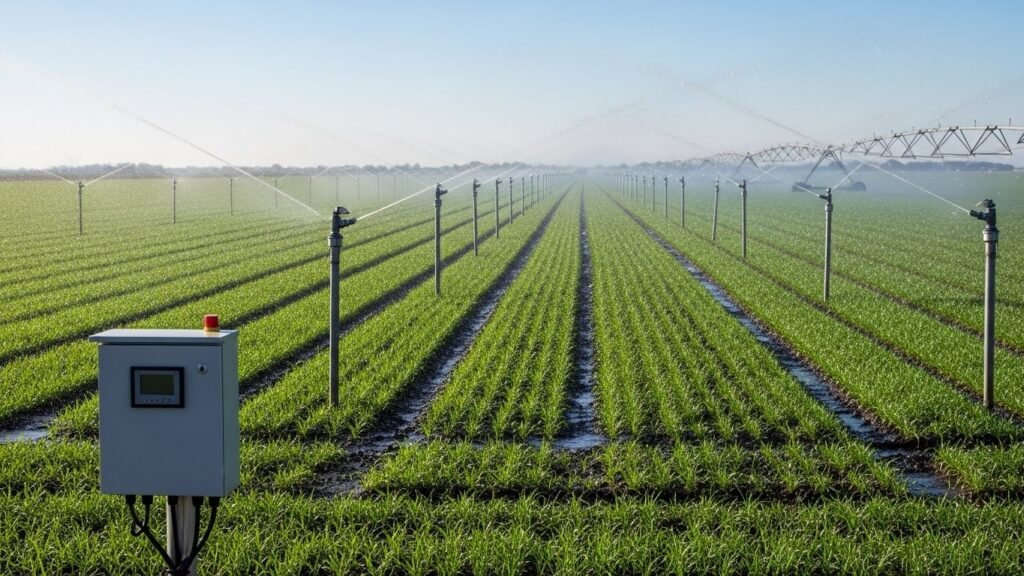
Automation reduces manual labor and improves precision. Automated irrigation systems, robotic harvesters, and innovative machinery help farmers manage large areas efficiently.
Benefits of Smart Farming Technology
- Higher crop yield
- Reduced water and fertilizer waste
- Lower labor costs
- Improved decision-making
- Environmental sustainability
Challenges of Smart Farming
High initial costs, technical skills, and connectivity issues can limit adoption. However, costs are decreasing, and user-friendly systems are becoming more accessible.
Smart Farming for Small-Scale Farmers
Smart farming is not limited to large farms. Small-scale farmers can use affordable tools such as mobile apps, basic sensors, and low-cost automation to improve productivity.
Environmental Impact of Smart Farming
By optimizing inputs and reducing waste, innovative farming technology minimizes environmental damage. It helps conserve water, reduce chemical runoff, and protect soil health.
Future of Smart Farming Technology
The future includes artificial intelligence, machine learning, and predictive analytics. These technologies will enable farmers to anticipate problems and adapt to climate change more effectively.
Common Mistakes to Avoid
Relying solely on technology without field observation and failing to maintain equipment can reduce effectiveness. Smart farming works best when combined with traditional farming knowledge.
Conclusion
Innovative farming technology is transforming agriculture by making it more efficient, sustainable, and resilient. By adopting data-driven tools and automation, farmers can improve productivity while protecting natural resources. Smart farming is not just a trend—it is the future of agriculture.